
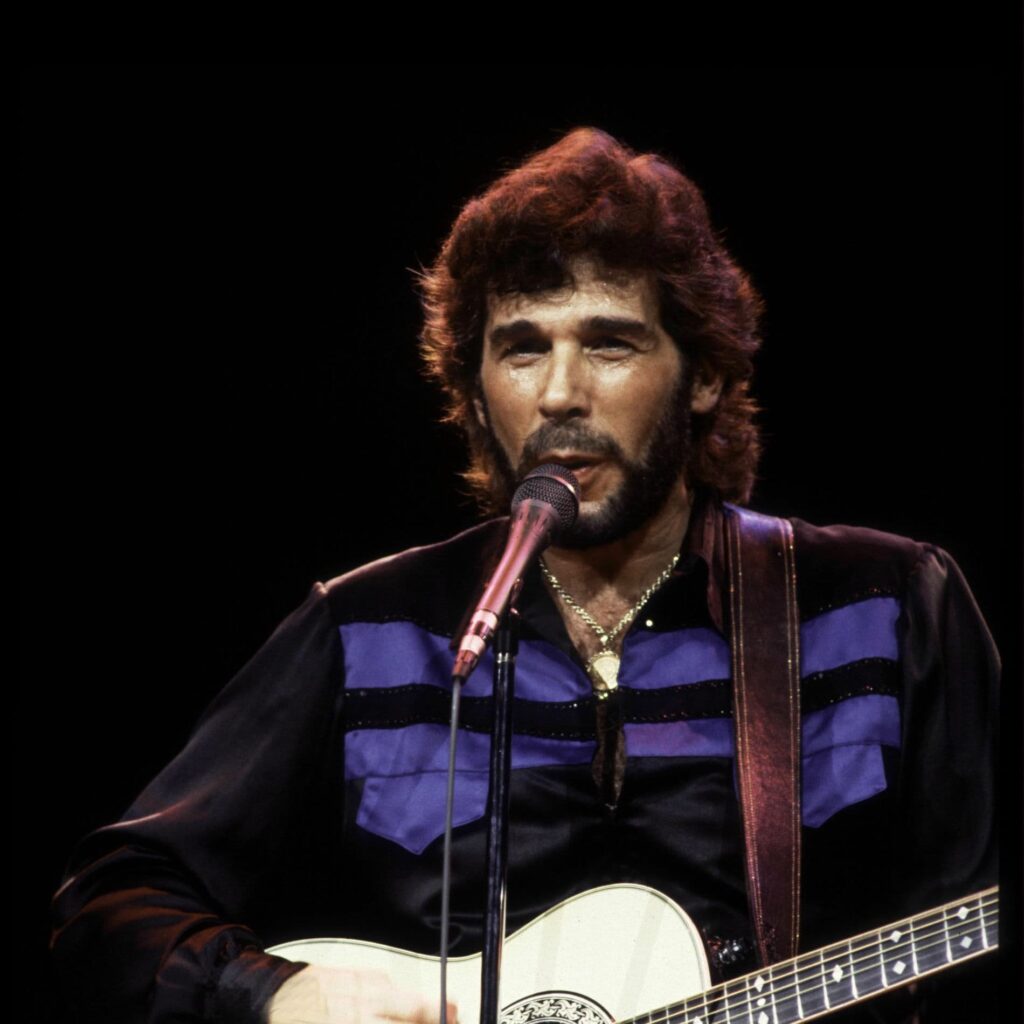
A joyous embrace of life’s storms “I Love a Rainy Night” by Eddie Rabbitt
When “I Love a Rainy Night” pours from the speakers, it brings with it a warm glow of nostalgia, a celebration of simple joys, and a reminder that even stormy nights can cleanse the heart and renew the spirit.
Released on November 10, 1980, I Love a Rainy Night was the second single from Eddie Rabbitt’s album Horizon. Upon release, the song swept across charts: it reached No. 1 on the U.S. Billboard Hot Country Singles chart, No. 1 on the Billboard Hot 100, and No. 1 on the Adult Contemporary chart a rare “triple crown” signaling its cross-genre appeal. In 1981 year-end tallies, it ranked among the top pop singles of the year, a testament to its widespread resonance.
The origin of the song carries a quiet poetry of its own. Music historian accounts reveal that Rabbitt first recorded a fragment of “I Love a Rainy Night” in the late 1960s during a sleepless, rain-splattered night, singing softly from a small apartment. The memory resurfaced in 1980 when he stumbled upon the old tape in his basement. With co-writers Even Stevens and David Malloy, he completed the song a lament turned celebration, capturing the calm, cleansing beauty of rain and the comfort it can bring.
Listening to “I Love a Rainy Night” is like opening a window during a storm and feeling the steady rhythm of raindrops against the pane the snap of fingers, the gentle clap of hands, the soft guitar strum, all weaving a soundscape that feels both intimate and alive. The song’s arrangement leans into rockabilly and country-pop, but it’s the rhythmic freshness alternating finger snaps and hand-claps that gives it a breezy, almost playful charm, setting it apart from more somber ballads of its time.
Lyrically, the song embraces the rain not as gloom, but as renewal. Lines like “I love to hear the thunder / watch the lightnin’ when it lights up the sky” and “showers wash all my cares away / I wake up to a sunny day” express a hopefulness, a belief that storms literal or metaphorical can wash away troubles and bring clarity. There’s a universality to that sentiment: rain doesn’t just wet the world it renews it.
For many listeners, especially those who lived through the late 1970s and early 1980s, “I Love a Rainy Night” evokes afternoons and evenings turned cozy by overcast skies, the smell of wet earth, the soft rumble of thunder, and radios playing gentle tunes as rain traced patterns on windowpanes. It’s a song that doesn’t just sound good it feels good.
Beyond its chart success and acoustic charm, the song helped define a moment when country music reached beyond its traditional borders. Rabbitt’s crossover from country to pop to adult contemporarymirrored a broader shift in popular music: songs rooted in simple, universal emotions could resonate with people far beyond the genre’s typical audience. “I Love a Rainy Night” didn’t just top charts it bridged divides.
Decades later, the song remains timeless. Its warmth invites listeners to remember: to remember rainy nights that soothed restless minds, to recall hearts cleansed by gentle storms, to embrace the beauty in life’s inevitable rains. In a world often chasing sunshine, “I Love a Rainy Night” reminds us that sometimes, it’s during the rain that we feel most alive.
Eddie Rabbitt’s “I Love a Rainy Night” stands as a testament to the gentle power of music to heal, uplift, and turn even a stormy night into a moment of hope.