
“Hey Mister Sunshine” ,A Gentle Reminder of Optimism from a Pop Veteran
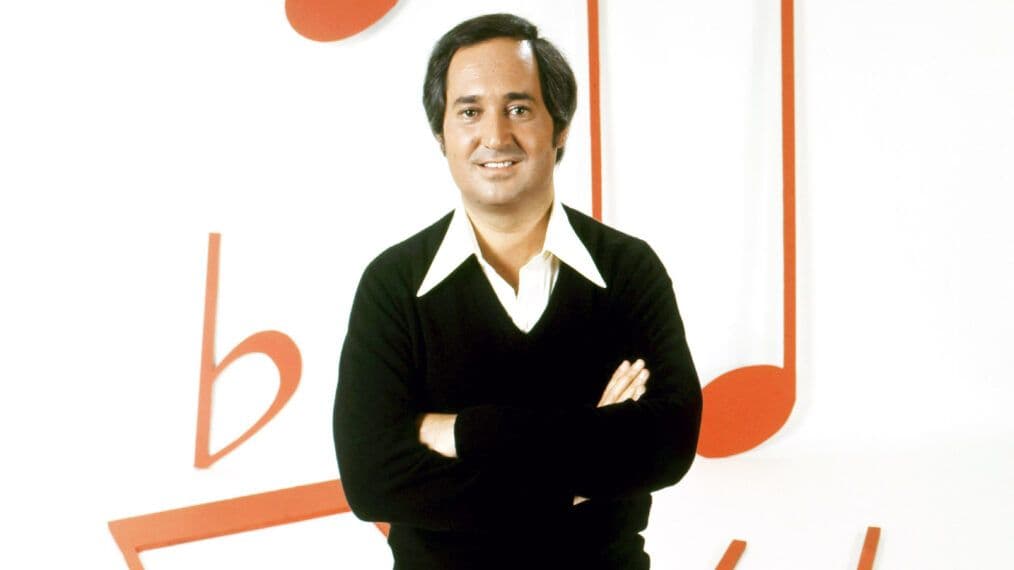
In the middle of the 1970s, Neil Sedaka was enjoying a remarkable career resurgence that reaffirmed his place in popular music. After dominating charts in the early rock and roll era and then navigating the changing tides of the music business, 1975 found him reaching audiences again with well crafted pop songs that married melody with thoughtful storytelling. “Hey Mister Sunshine” is one such example, appearing on his album The Hungry Years which was released in 1975.
Unlike some of his more definitive chart toppers like “Laughter in the Rain” and “Breaking Up Is Hard to Do,” “Hey Mister Sunshine” did not dominate the airwaves but offered a vivid snapshot of Sedaka’s prowess as a songwriter whose work could touch on themes of hope, reflection, and emotional sincerity. The song’s lyrics frame a heartfelt plea for brighter days, capturing a universal yearning for joy and renewal. Through simple but evocative lines, Sedaka evokes the pain of loss and the desire to recapture happiness, asking “Hey mister sunshine, bring me back again to the happy happy times that I’ve been missing.”
Musically, the track is grounded in classic 1970s melodic pop, with Sedaka’s piano and vocal delivery at the forefront. It reflects his lifelong commitment to melody and songcraft, a hallmark of his long career and Brill Building roots in New York as a songwriter and performer.
The context of the era is significant. By 1975, Sedaka had reestablished himself not just as a nostalgia act but as a current artist capable of competing with contemporary pop trends. His work during this period showed an understanding of both classic pop sensibilities and the emotional resonance that listeners sought in a decade marked by change and uncertainty.
While “Hey Mister Sunshine” may not be the first song that comes to mind when reflecting on Sedaka’s catalog, it stands as a testament to his versatility and enduring appeal. It is a song that speaks to the universal human experience of longing for past joy and hoping for future light, delivered with the warm voice and melodic skill that defined Sedaka’s long and influential career.
 Timeless Melodies