
A breathtaking testament to the “Big O,” where the echoes of a Sydney stage capture a legendary voice soaring with haunting, timeless precision.
By the early 1970s, Roy Orbison had navigated a decade of profound personal tragedy and shifting musical tides, yet his vocal power remained a force of nature. When he stepped onto the stage for his 1972 Australian tour, he wasn’t just performing a hit; he was summoning a ghost. “Only The Lonely,” the song that launched his superstardom in 1960, took on a deeper, more operatic weight in this live setting. While the original recording was a masterclass in studio restraint, the Live from Australia performance showcases the raw, unadorned vulnerability of a man who truly understood the “dum-dum-dummy-doo-wah” rhythm of a breaking heart. For the listener who has felt the long silence of an empty house or the weight of a memory that refuses to fade, this performance is a sacred space—a reminder that there is a certain majesty in the blues.
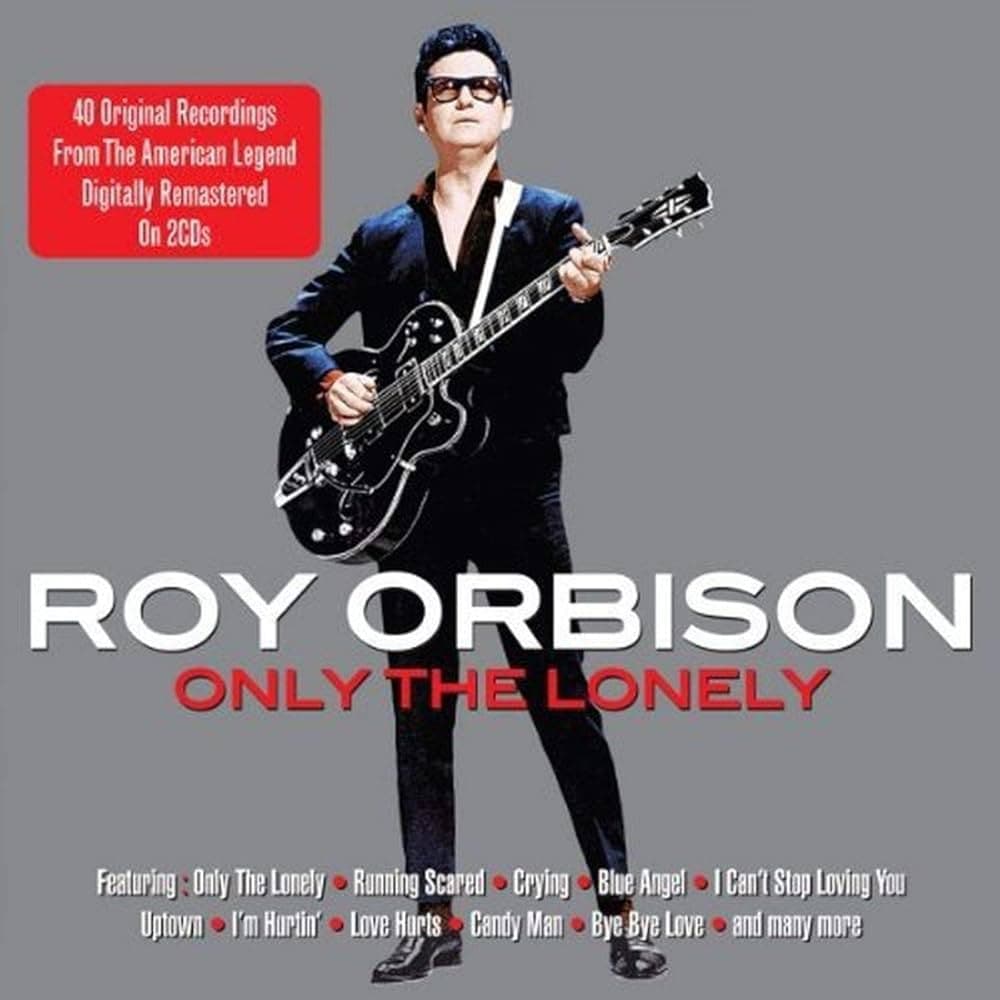
Historically, this 1972 tour was a pivotal moment for Orbison’s global legacy. While he was in a commercial “valley” back in the United States, the audiences in Australia and the United Kingdom never wavered in their devotion, treating him with the reverence of a living monument. The live recording captures the high-stakes drama that defined the “Orbison Sound”—that unique blend of rockabilly tension and bel canto ambition. It didn’t need a chart ranking in ’72 to prove its value; it served as a vital bridge to his eventual “Traveling Wilburys” resurgence. For guitar purists, seeing him behind his trademark black Gibson ES-335, hidden behind those iconic dark glasses, remains the definitive image of rock-and-roll mystery.
The story behind “Only The Lonely” is one of artistic rejection turned into gold. Originally, Roy and co-writer Joe Melson had tried to pitch the song to Elvis Presley and The Everly Brothers, both of whom turned it down. Left with no other choice, Roy recorded it himself, discovering in the process that he could reach those celestial high notes that would become his signature. By the time he reached the Australian stage in 1972, the song had become a part of him. There is a palpable sense of focus in the video; Roy stands perfectly still, letting the emotion flow entirely through his vocal cords. It reflects a time when a performer didn’t need pyrotechnics or dancing to hold an audience—they only needed the truth.
Meaningfully, the song explores the “private” nature of grief. It speaks to the “lonely” who know the secrets of the night, those who “know the way I feel tonight.” For a mature audience, this isn’t just a pop sentiment; it’s a shared experience. We have all lived through those nights where the world seems to go on without us, and the only companion we have is a melody. In this 1972 live version, the “break” in his voice at the climax feels less like a rehearsed trick and more like a genuine surrender. It acknowledges that while we all must walk through the “valley of the lonely,” there is comfort in knowing that a voice as beautiful as Roy’s is there to meet us.
Listening to the crystalline clarity of the Sydney recording, one is struck by the timelessness of his phrasing. There is no “dated” 1970s flair here; it is as pure as the day it was written. Roy Orbison had the unique ability to make the most profound sadness feel like an act of grace. For those of us looking back on the many decades of our own journeys, this performance is a grounding force. It reminds us that our vulnerabilities are often where our greatest strengths are hidden. As he hits that final, soaring note, he doesn’t just end a song; he leaves us with a sense of awe—a reminder that even in our loneliest moments, we are part of a beautiful, melodic human story.