
The Holy Trinity of the Nashville Sound: A Historic Night of Pure Instrumental Mastery Live on The Ed Sullivan Show
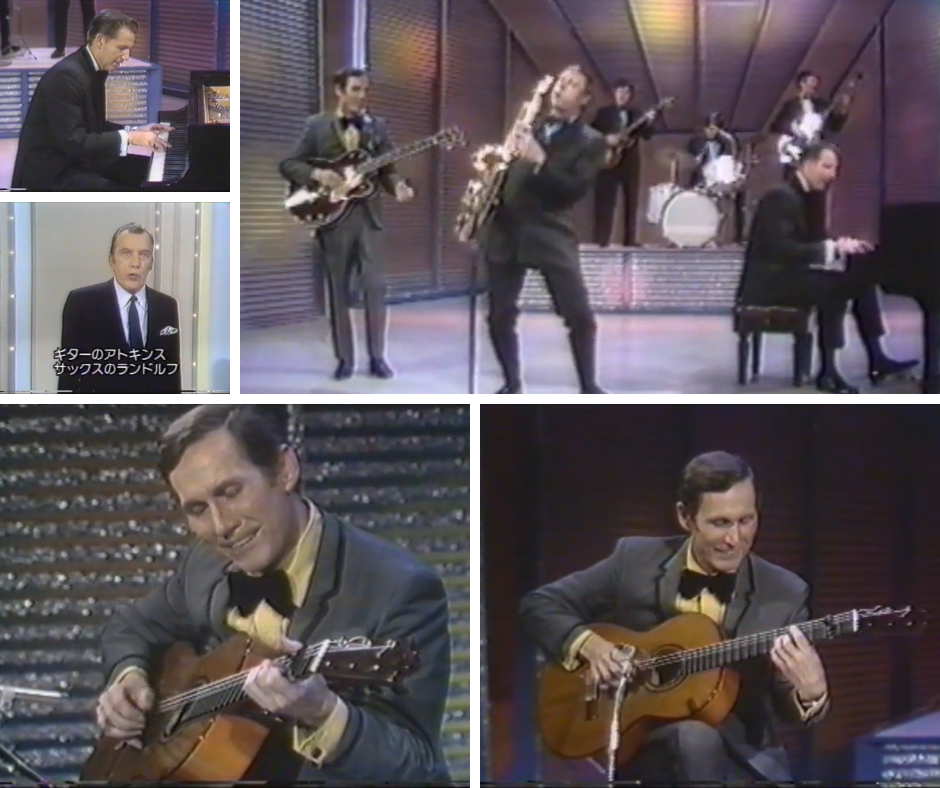
When looking back at the golden age of American variety television, Sunday night, March 16, 1969, stands as an absolute monument to instrumental virtuosity and cross-genre sophistication. On that historic evening, millions of households tuned their television sets to CBS as The Ed Sullivan Show handed its legendary stage over to three absolute titans of the recording world: Chet Atkins, Floyd Cramer, and Boots Randolph. Affectionately known within the industry as “The Million Dollar Band,” this powerhouse trio did not merely play music; they were the very architects who had spent the previous decade pioneering the lush, polished “Nashville Sound” that rescued country music from commercial decline and bridged the gap between regional roots and global pop sophistication. Stepping into the New York spotlight completely free from vocal accompaniment or electronic cosmetics, each master craftsman delivered a definitive, high-fidelity signature showcase that demonstrated the timeless elegance of absolute musical sincerity.
The remarkable cultural and commercial triumph surrounding this specific television broadcast tracking highlights an era when pure instrumental prowess could captivate the mainstream public on a massive scale. Long before this joint appearance, each member had conquered the national music charts on their own terms. Floyd Cramer had completely revolutionized the instrument in 1961 when his signature track, “On the Rebound,” featuring his brilliant slip-note style, skyrocketed all the way to No. 4 on the Billboard Hot 100 and conquered the No. 1 spot on the UK Singles Chart. Meanwhile, Chet Atkins’ immaculate nylon-string interpretation of the French standard “Autumn Leaves” had become a staple of high-fidelity home stereo systems, and Boots Randolph‘s bluesy, dynamic interpretation of “Rock-a-Bye Your Baby with a Dixie Melody” demonstrated the immense versatility of his roaring saxophone. Brought together by Sullivan’s pristine live sound stage, the three separate tracking layers merged into a seamless masterclass of real-time analog mixing.
The behind-the-scenes arrangement of this iconic 1969 medley represents a handcrafted victory of traditional musicianship and melodic choreography. The television performance opens with an air of immediate energy as Floyd Cramer takes command of the grand piano to deliver “On the Rebound.” Utilizing his legendary “slip-note” technique—a self-taught approach where he hit a flatted note just before striking the true note to mimic the crying sound of a pedal steel guitar—Cramer injected the keyboard with an organic, rolling cadence that felt simultaneously rustic and urban. The cameras then masterfully pan across the stage as the baton is passed to Chet Atkins, whose custom electric guitar transforms “Autumn Leaves” into a pensive, late-night meditation. Using his revolutionary independent thumb-and-finger picking technique, Chet effortlessly drove a walking bassline while weaving the cascading, melancholy lead lines directly over the top. Finally, Boots Randolph steps forward to ignite the room with “Rock-a-Bye Your Baby,” pouring a gritty, full-throated rhythm-and-blues soul into his saxophone that perfectly rounded out the ensemble’s expansive tonal field.
For the serious musicologist who treasures the deep historical nuances of classic performance mechanics, watching the real-time interaction between these three vanguards remains an absolute revelation. Navigating three distinct time signatures and instrumental textures within a single broadcast segment requires exceptional dynamic control, absolute pitch stability, and an innate, pocket-perfect sense of timing—demands that these musicians met with astonishing, commanding ease. Rather than competing for the spotlight, they played with the intuitive grace of lifelong friends, providing a delicate, rhythmic cushion for one another during individual solos. The visible sense of mutual respect, the relaxed elegance of their showmanship, and the completely unvarnished human element projecting from their instruments create an authentic intimacy that modern, computer-sequenced entertainment simply cannot duplicate.
To turn back the clock and re-engage with the archival treasures of this magnificent March 16, 1969 broadcast today is to be swept away by a powerful, deeply comforting wave of sweet nostalgia and profound gratitude. Witnessing Chet Atkins, Floyd Cramer, and Boots Randolph effortlessly command the global stage transports the educated viewer back to a highly sophisticated era of entertainment history—a time when pure, unadulterated talent took center stage. This definitive television milestone stands as a permanent, highly reflective reminder that real, enduring stardom requires no artificial synthetic enhancements to command our deepest admiration. It leaves the international listening community with a timeless reminder that when an uncompromising melody is delivered straight from the passionate, resilient souls of true legends, its magic possesses an immortal strength that will continue to cross generations, warm our hearts, and shine forever.