
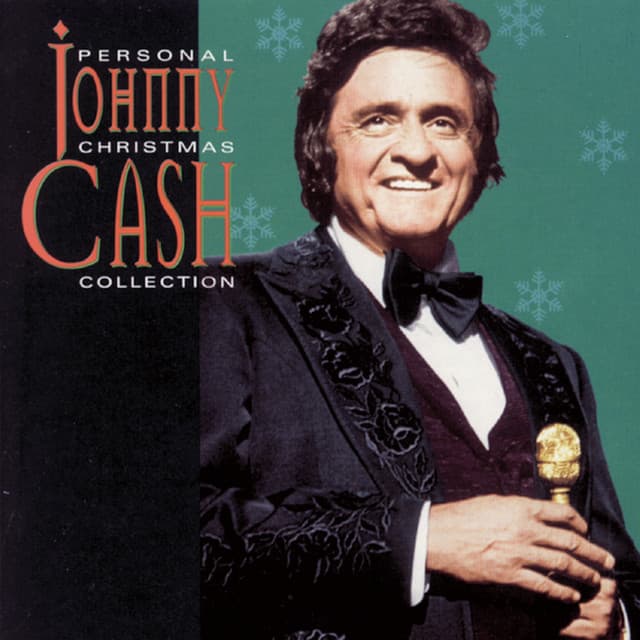
A Quiet Celebration of Faith: Johnny Cash and the Meaning of “Joy to the World”
When Johnny Cash recorded “Joy to the World,” he approached the beloved hymn not as a festive performance, but as a deeply personal statement of belief. In Cash’s hands, this centuries-old song becomes something intimate and reflective a moment of stillness rather than spectacle.
Cash’s voice, unmistakably worn and resolute, carries the hymn with calm authority. There is no attempt to decorate the melody or modernize its message. Instead, he allows the words to stand on their own. His delivery feels deliberate, almost meditative, as if each line has been lived rather than merely learned. This is not the joy of bells and choirs it is the joy that comes after endurance.
By the time Johnny Cash embraced gospel recordings, faith had become central to his identity. Years marked by addiction, loss, and public scrutiny had reshaped his understanding of redemption. Songs like “Joy to the World” offered him a way to express gratitude without denying the past. The joy he sings of is earned, not assumed.
What makes Cash’s version so affecting is its honesty. There is no pretense of perfection, no attempt to sound triumphant. Instead, the performance suggests humility and acceptance. He sings not as a preacher, but as a man who has known failure and found solace in belief. The hymn’s promise of renewal feels especially powerful coming from a voice that has carried both sin and salvation.
In the broader landscape of holiday music, Johnny Cash’s “Joy to the World” stands apart. It reminds listeners that joy can be quiet, grounded, and reflective. It does not demand celebration it invites understanding. And long after the season has passed, this version remains, offering comfort to those who know that faith is not about escaping hardship, but learning how to live with hope despite it.
 Oldies Songs