
The Sacred Bridge of Chicano Rock: Los Lobos and the Immortal Vitality of Ritchie Valens’ “Come On, Let’s Go”
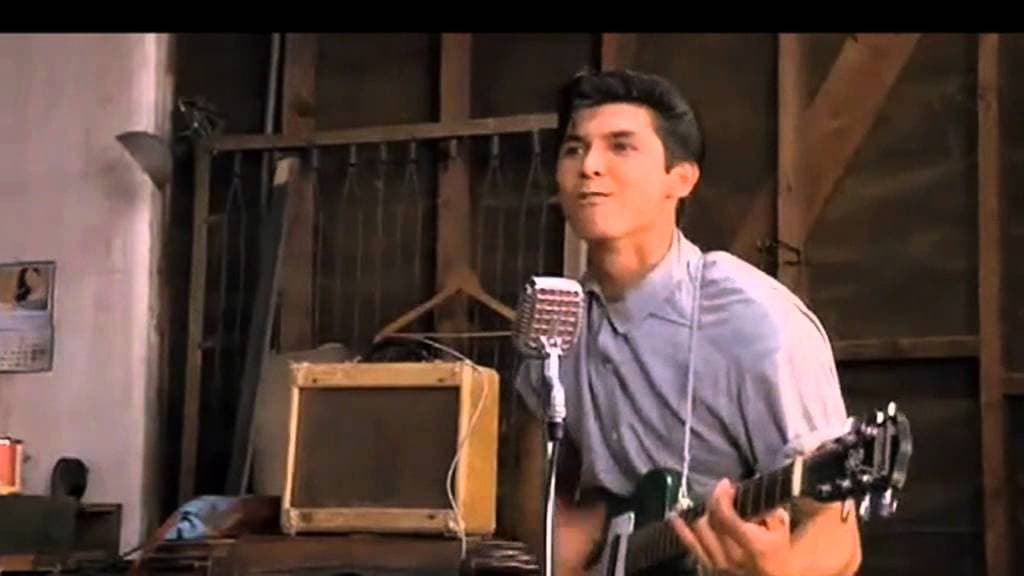
When the raw, teenage idealism of early rock and roll intersects with the seasoned, blue-collar musicality of an iconic Chicano rock band, a unique historical portal opens. This precise cultural alchemy exploded onto the global airwaves in 1987 when the brilliant East Los Angeles ensemble Los Lobos recorded their definitive, high-fidelity cover of Ritchie Valens’ beloved 1958 debut single, “Come On, Let’s Go.” Selected as a centerpiece for the multi-platinum soundtrack to the smash biographical film La Bamba, the recording did not merely operate as a nostalgic imitation of a tragic pioneer’s work. Instead, it represented a profound historical continuity—a moment where a new generation of Latin rock icons bowed in deep reverence to the pioneer who had courageously opened the mainstream doors for them nearly three decades prior, transforming a standard studio tracking session into a powerful, living continuation of history.
The meticulous audio architecture behind this 1987 recording represents a flawless monument to handcrafted, traditional rock-and-roll production. Before the La Bamba film, Valens’ groundbreaking contributions were at risk of fading into the distant archives of vintage late-1950s history; by stepping into the studio, Los Lobos single-handedly revitalized his catalog for the mainstream global consciousness. Rather than over-processing the track with the synthetic digital cosmetics typical of the late-1980s, the band fiercely protected the song’s garage-band grit and joyful Latin foundations. Driven by the dual guitar work of David Hidalgo and Cesar Rosas, the arrangement opens immediately with a crisp, punchy rhythm pattern and a round, thumping bassline that forms a pristine, warm analog cushion, letting the natural snap of the drum kit honor the unadulterated velocity that Valens first brought to life.
For the sophisticated music enthusiast who treasures the deep historical nuances of Chicano culture, “Come On, Let’s Go” remains a beautifully bittersweet masterclass in emotional complexity. Turning the volume all the way up reveals a track brimming with the wild, untamed energy of a seventeen-year-old prodigy who performed with zero hesitation or teenage reserve. Yet, modern audiences engage with this high-octane performance through a lens of profound reflection, fully aware that Valens’ meteoric rise was cruelly cut short in the infamous 1959 plane crash known as The Day the Music Died alongside Buddy Holly and The Big Bopper. Los Lobos captures this exact tension with an innate, pocket-perfect sense of timing, delivering a performance packed with unforced, genuine joy that proves Valens was not a passing commercial novelty, but a fierce rock-and-roll architect who forever broke the cultural barriers restricting Mexican-American artists in popular music.
To re-experience Los Lobos’ magnificent tribute today is to look at an irreplaceable archival bridge connecting two golden eras of American music. It leaves the listener with a deep sense of gratitude, reminding us that though a brilliant young singer may leave the earthly stage at just seventeen years old, a handcrafted melody delivered straight from a passionate soul possesses an immortal strength that can never be silenced. Los Lobos’ definitive revival of “Come On, Let’s Go” stands as a permanent testament to the resilience of the human spirit through song, serving as a gentle, highly reflective reminder that when an artist leaves behind a story that was only just beginning, the music community will always stand ready to carry the torch, ensuring their magnificent light continues to cross generations, warm our souls, and echo in our hearts forever.