
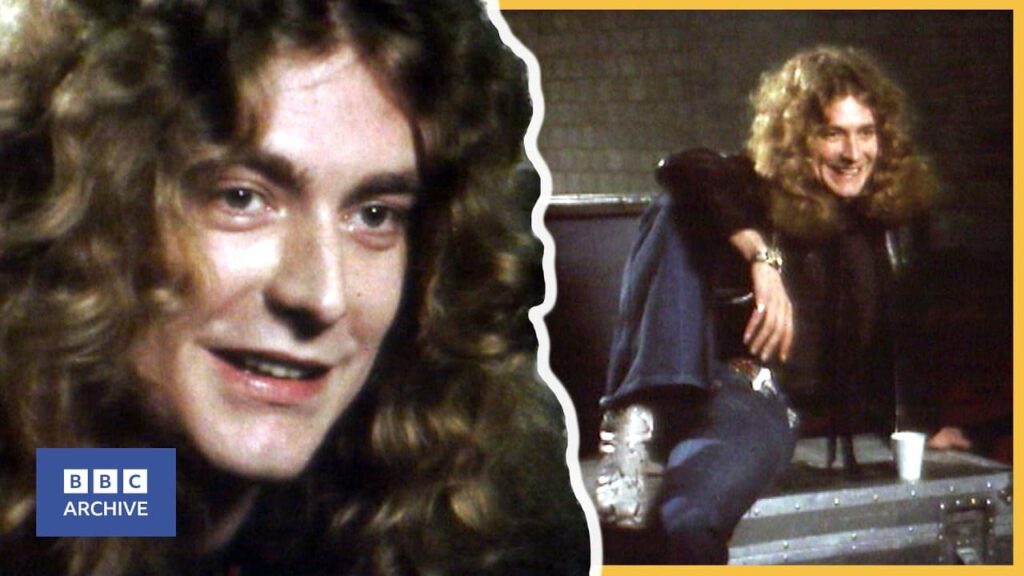
Robert Plant Speaks at the Height of Led Zeppelin’s Power, Inside a Classic BBC Conversation with the Voice of a Generation
In 1975, at a time when Led Zeppelin stood at the very peak of global rock music, vocalist Robert Plant sat down for a memorable interview with broadcaster Bob Harris for the influential BBC music program The Old Grey Whistle Test. The conversation, recorded as audiences were arriving at the Vorst Nationaal venue in Brussels, offered a rare and relaxed look into the thinking of one of the most successful rock bands of the era.
By the mid nineteen seventies Led Zeppelin had already built a reputation as one of the most powerful live acts in the world. Their concerts drew enormous crowds, often pushing the limits of venue capacity across Europe and North America. During the interview, Robert Plant reflected on the challenges that came with that success. Demand for tickets had grown so large that choosing the right size venues became a constant logistical puzzle for the band and its management. Touring decisions required balancing fan enthusiasm with the realities of staging concerts on an increasingly massive scale.
A central topic of the discussion was the upcoming release of the album Physical Graffiti. Scheduled to appear only weeks after the interview, the record would become Led Zeppelin’s first double album and one of the most ambitious projects of their career. Plant spoke about the excitement surrounding the new material and the creative process that shaped the record. When the album was finally released in early 1975, it quickly confirmed the band’s reputation for pushing the boundaries of rock composition and production.
The conversation also touched on the band’s growing independence within the music industry. Plant discussed the launch of Swan Song Records, the label created by Led Zeppelin to manage their own releases and support other artists. Establishing their own label represented an important step toward artistic control at a time when many major bands were seeking greater freedom from traditional record company structures.
Another subject raised by Bob Harris concerned the group’s unusual approach to singles in the United Kingdom. Unlike many contemporary acts, Led Zeppelin rarely released singles in their home country. Plant explained that the band preferred to focus on albums as complete artistic statements rather than isolating individual tracks for the singles market. This philosophy had already helped shape their identity as a group that prioritized the album format over conventional chart strategies.
The interview concluded with a look toward the future, including the possibility of individual creative projects by band members. While Led Zeppelin remained firmly united as a group, the discussion hinted at the broad musical ambitions that existed within the band.
Today the interview stands as a valuable historical snapshot. Captured during a moment of extraordinary success, it reveals Robert Plant not only as a charismatic performer but also as a thoughtful voice within one of the most influential bands in rock history.