
How Many More Times Echoes Across Europe in a Defining 1969 Performance
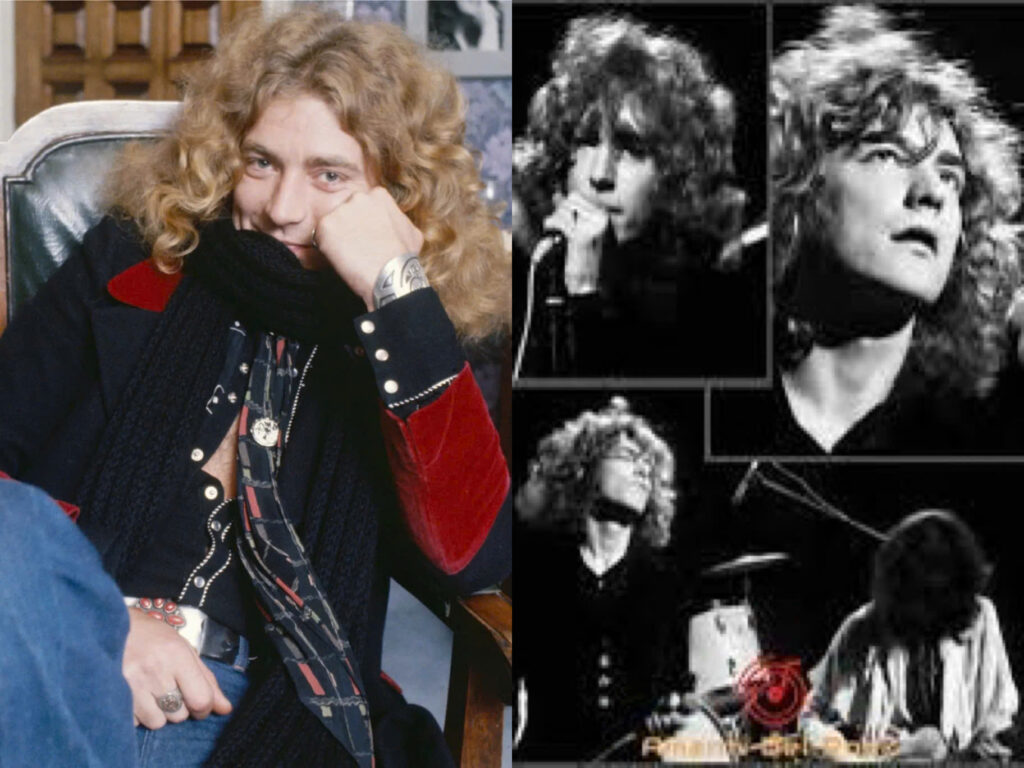
On March 17 1969 viewers of Danish television witnessed a remarkable moment in rock history when the British band Led Zeppelin performed the powerful track How Many More Times on the national broadcaster Danmarks Radio. Filmed at the TV Byen studios near Copenhagen the performance captured the group during the earliest phase of their rise to international fame. Only weeks earlier their debut record Led Zeppelin had been released and the band was rapidly attracting attention across Europe and North America.
The appearance on Danish television took place during a period of intense touring. Led Zeppelin had formed in 1968 and quickly built a reputation for explosive live performances driven by improvisation and musical interplay. The lineup featured vocalist Robert Plant, guitarist Jimmy Page, bassist and keyboardist John Paul Jones, and drummer John Bonham. Even at this early stage the chemistry between the four musicians was unmistakable.
How Many More Times stood out as one of the most ambitious tracks on the band’s debut album. Running more than eight minutes it was the longest piece on the record and blended blues traditions with the emerging sound of hard rock. The song was recorded on October 3 1968 at Olympic Studios in London and released in January 1969 as the closing track of the album. Its composition drew inspiration from American blues including elements referencing songs by Howlin Wolf while incorporating innovative guitar techniques from Jimmy Page.
During the Danish broadcast the band delivered a performance that demonstrated both discipline and spontaneity. Page’s guitar work moved from heavy riffs to experimental textures including the use of a violin bow on the instrument. John Paul Jones anchored the arrangement with steady bass lines while Bonham’s powerful drumming gave the music its driving force. At the center of the stage Robert Plant delivered the song’s blues influenced vocals with intensity and youthful confidence.
The television recording has since become one of the most valued early documents of Led Zeppelin’s live sound. Historians often point to the performance as evidence that the band’s identity was already fully formed only months after its creation. The broadcast also highlights the improvisational approach that defined many of their early concerts where songs frequently expanded beyond their studio arrangements.
More than half a century later the footage continues to circulate among fans and music historians. It preserves a rare moment when a young band stood on the edge of global success. For viewers then and now the Danish television performance of How Many More Times remains a striking reminder of how quickly Led Zeppelin transformed from a new group into one of the most influential forces in rock music history.