
Voices from the Margins: Compassion, Witness, and Human Dignity in “Shantytown”
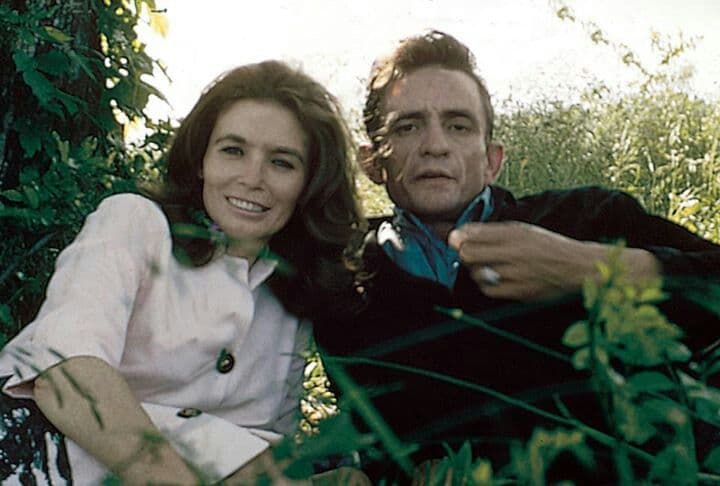
“Shantytown” is one of the most socially conscious and emotionally grounded recordings shared by Johnny Cash & June Carter Cash a song that turns its gaze toward those living on the edges of comfort and visibility. Rather than telling a personal love story or a moral parable, the song listens. It observes lives shaped by poverty, endurance, and quiet resilience, and it does so without judgment or sentimentality. In the combined voices of Johnny and June, “Shantytown” becomes an act of witness.
The song was written by Harlan Howard, one of country music’s most respected songwriters, known for his belief that great country songs should be “three chords and the truth.” “Shantytown” was recorded by Johnny Cash & June Carter Cash and released as a single in 1969 by Columbia Records. Upon release, it reached No. 15 on the Billboard Hot Country Singles chart, a respectable showing for a song whose subject matter was thoughtful rather than commercial. It later appeared on their collaborative album Carryin’ On with Johnny Cash and June Carter, a record that reflected both musical partnership and shared values.
By the late 1960s, Johnny Cash had firmly established himself as a voice for the overlooked. His prison concerts, gospel recordings, and songs about working people had reshaped his public image from outlaw to advocate. June Carter Cash, with her warmth, intelligence, and emotional intuition, brought balance and humanity to those themes. “Shantytown” stands as a clear expression of that shared outlook.
Musically, the song is simple and restrained. Acoustic guitar, gentle rhythm, and unobtrusive backing allow the lyrics to take center stage. The arrangement avoids drama, reflecting the everyday nature of the lives being described. There is no attempt to heighten tragedy through sound. The music moves steadily, almost patiently, mirroring lives that continue day after day with little change.
The vocal interplay between Johnny Cash & June Carter Cash is essential to the song’s emotional impact. Johnny’s deep, grounded baritone carries the weight of observation, while June’s voice adds empathy and human closeness. Together, they sound less like performers and more like neighbors telling a story that needs to be told. Their delivery is calm, respectful, and deeply sincere.
Lyrically, “Shantytown” paints a picture of families living in makeshift homes, surviving with dignity despite limited means. The song does not romanticize poverty, nor does it offer easy solutions. Instead, it acknowledges reality as it is harsh, uneven, and often ignored. The people in the song are not symbols; they are human beings, living quietly just beyond the margins of comfort.
What gives the song lasting power is its compassion. There is no accusation in its tone, no anger directed outward. The message is conveyed through presence rather than protest. By simply describing life in Shantytown, the song asks the listener to see to recognize shared humanity where it is often overlooked.
Within Johnny Cash’s broader body of work, “Shantytown” aligns closely with songs like “Man in Black” and “The Ballad of Ira Hayes,” where empathy and social awareness take precedence over entertainment. With June Carter Cash beside him, that message becomes warmer and more intimate, grounded in shared conscience rather than confrontation.
Ultimately, “Shantytown” endures because it listens before it speaks. It reminds us that music can serve not only as escape, but as acknowledgment. In the blended voices of Johnny Cash & June Carter Cash, the song becomes a quiet tribute to endurance, dignity, and lives lived far from the spotlight yet deserving, always, of being heard.
 Oldies Songs