
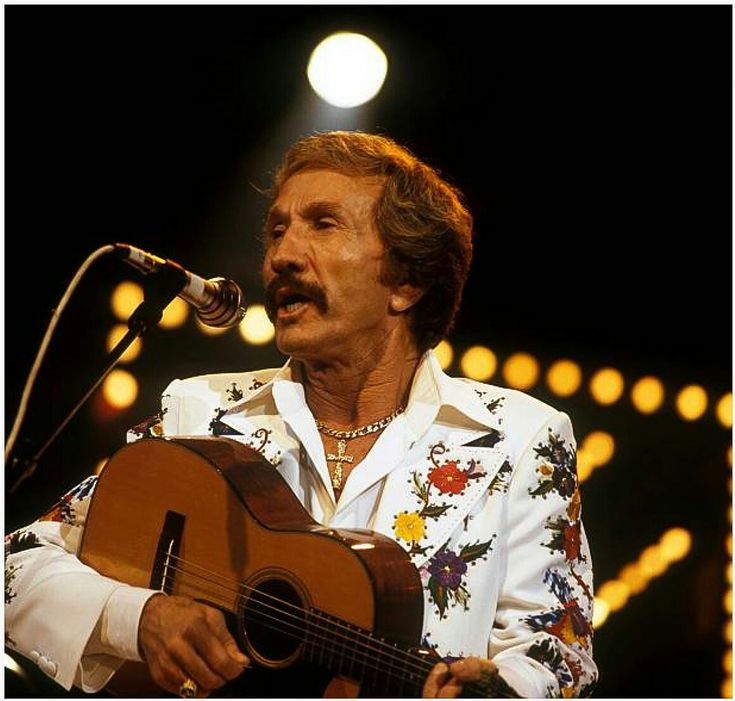
A haunting journey through the desert, driven by an unquenchable thirst for life “Cool Water” by Marty Robbins
“Cool Water” is a deeply evocative and meditative western ballad in which Marty Robbins captures the raw longing of a traveler and his mule as they search for both physical and spiritual sustenance in a barren wasteland.
Originally penned in 1936 by Bob Nolan a founding member of the Sons of the Pioneers “Cool Water” is a song steeped in Western myth. Robbins chose to include his version as the second track on his iconic Gunfighter Ballads and Trail Songs album, released in September 1959. The album itself became one of Robbins’ most celebrated works, reaching #6 on the U.S. Pop Albums chart.
While “Cool Water” was never released as a major chart single in the way pop songs are, its power lies not in chart domination but in its timeless resonance. That resonance comes from the story Robbins brings to life through his voice: the desert-worn narrator and his mule, Dan, are parched, worn, and spiritually thirsty. The relentless drought they endure becomes more than a physical threat it is a metaphor for the soul’s deeper thirst.
Throughout the song, Robbins (in the persona of the traveler) pleads for “water, cool, clear water,” a refrain that underscores the desperate stakes of their journey. He warns his companion Dan not to trust a deceptive voice “He’s a devil, not a man, / and he spreads the burning sand with water” suggesting that illusions and false hope are constant dangers in both the desert and in life. At the same time, the narrator dreams of a “big, green tree / where the water’s runnin’ free,” a vision of relief and promise that sustains him even in hopelessness.
The symbolic meaning behind “Cool Water” reflects Robbins’s masterful gift for storytelling. According to lyric analysts, the cool water represents not only physical life a literal oasis but also spiritual renewal and hope. The “burning sand” and the “devil” become metaphors for the temptations and trials that challenge us when we most need clarity. In Robbins’s hands, the desert becomes a stage for the human condition: perseverance, faith, and the search for meaning.
Robbins recorded Gunfighter Ballads and Trail Songs in a single, intense session on April 7, 1959. His voice on “Cool Water” is gentle yet firm he sings not with bravado, but with a calm, weary sincerity that carries the weight of long travel, hardship, and unshaken determination. The sparse instrumentation acoustic guitar, soft harmonies, and subtle backing allows every word to land, every pause to breathe.
As part of this landmark album, “Cool Water” contributes to the larger narrative of the American West that Robbins wove: a world of myth and hardship, of solitude and struggle, but also of quiet endurance. The album itself has become an enduring classic, celebrated for its authenticity, poetic storytelling, and Robbins’s deep connection to the cowboy tradition.
For listeners who remember wood-panelled living rooms, vintage vinyl spinning on a turntable, or evenings spent listening by lamplight, “Cool Water” brings a powerful sense of nostalgia. The song evokes the image of a lone rider and his mule under a vast, star-filled sky and more than that, it speaks to the universal human journey: the search for nourishment, for rest, and for something that quenches more than just physical thirst.
In the end, Marty Robbins’s “Cool Water” is much more than a Western ballad. It is a meditation on perseverance, a prayer for sustenance, and a testament to the faith that even in the most desolate places, hope like water may still flow, if we continue to move forward.
 Oldies Songs