
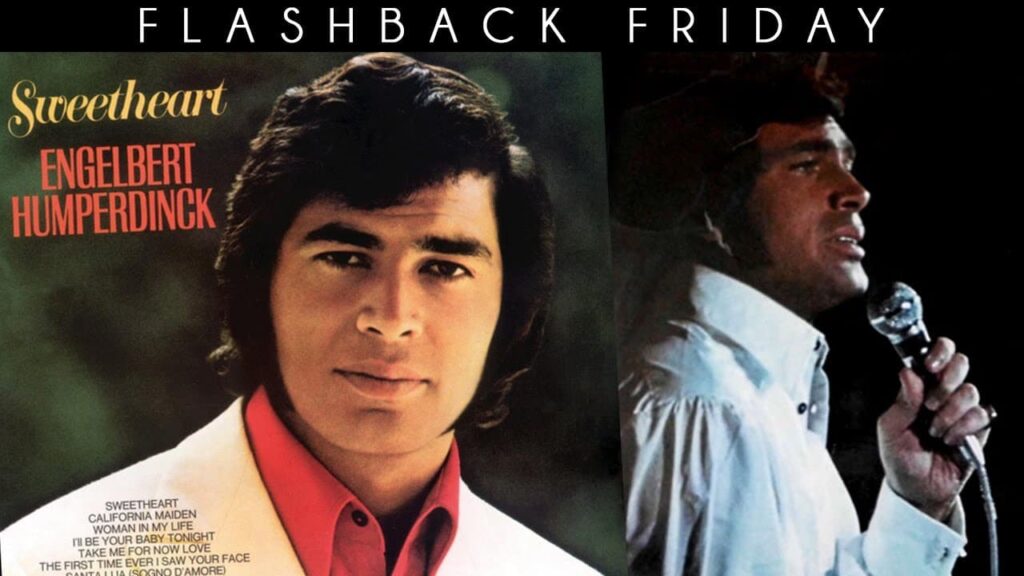
A Masterpiece of Velvet Romance: Engelbert Humperdinck and the Bee Gees-Penned Charm of “Sweetheart”
When the golden era of traditional mid-century vocal pop intersected with the prolific songwriting genius of early 1970s soft-rock royalty, the results yielded some of the most sophisticated records in popular music history. This exceptional alignment was realized when the incomparable King of Romance, Engelbert Humperdinck, stepped up to the studio microphones to record the title track for his landmark 1971 Decca Records studio album, “Sweetheart.” Masterfully written by the powerhouse brotherhood duo of Barry and Maurice Gibb of the Bee Gees, the composition was originally written with their signature folk-pop sensibilities. Yet, when placed in the hands of Humperdinck and his premier production team, the track evolved into a sweeping, sophisticated adult contemporary showcase, perfectly blending the gentle, melodic warmth of the burgeoning seventies singer-songwriter movement with the grand, orchestral showmanship that defined Engelbert’s multi-platinum career.
The meticulous audio architecture defining this 1971 studio tracking represents a flawless, handcrafted pinnacle of vintage analog production and pristine British engineering under the guidance of famed producer Gordon Mills and musical director Johnny Arthey. Operating completely free from the synthetic drum machines or heavy digital pitch cosmetics that would alter later eras, the arrangement relies on a deep, warm analog cushion that allows the room ambiance to breathe beautifully. The track opens with an air of quiet, late-night reverence, guided by a crisp acoustic guitar strum and a rolling piano line that mirrors the gentle persuasion of the Gibb brothers’ writing. As the song progresses, the stereophonic field masterfully expands, introducing sweeping live string sections, subtle woodwind fills, and layered backing vocals that cradle Humperdinck’s primary microphone track without ever crowding the central frequency field.
For the sophisticated music enthusiast who treasures the deep historical nuances of classic vocal health, breath control, and traditional conversational phrasing, Humperdinck’s physical execution on this archival master remains an absolute revelation. Navigating a melody of this intricate, bouncy rhythm requires exceptional dynamic restraint, absolute pitch precision, and an innate, pocket-perfect sense of timing—demands that this legendary vanguard met with astonishing, commanding ease. He approaches the microphones with his signature charismatic poise, letting his rich, velvet baritone voice wrap warmheartedly around the romantic verses like a personal confession. When the arrangement calls for an elevated emotional release during the soaring chorus, his voice seamlessly transitions into his trademark, crystalline upper register, projecting a striking balance of mature masculinity and unforced emotional honesty that synthetic modern gimmicks simply cannot duplicate.
To turn the volume all the way up and re-engage with the archival treasures of Engelbert Humperdinck’s magnificent delivery of “Sweetheart” today is to be swept away by a powerful, deeply comforting wave of sweet nostalgia and profound gratitude. It transports the educated viewer back to a highly sophisticated realm of entertainment history—a time when premier architects of popular song could completely captivate an international audience through the sheer strength of absolute sincerity, flawless studio precision, and pure creative genius. This definitive recording stands as a triumphant chapter in popular culture, serving as a permanent, highly reflective reminder that real creative brilliance requires no artificial enhancements to command our deepest admiration. It leaves the international listening community with a timeless reminder that when a beautiful melody is delivered straight from the passionate, resilient soul of a true musical legend, its magic possesses an immortal strength that will continue to cross generations, warm our hearts, and shine forever.