
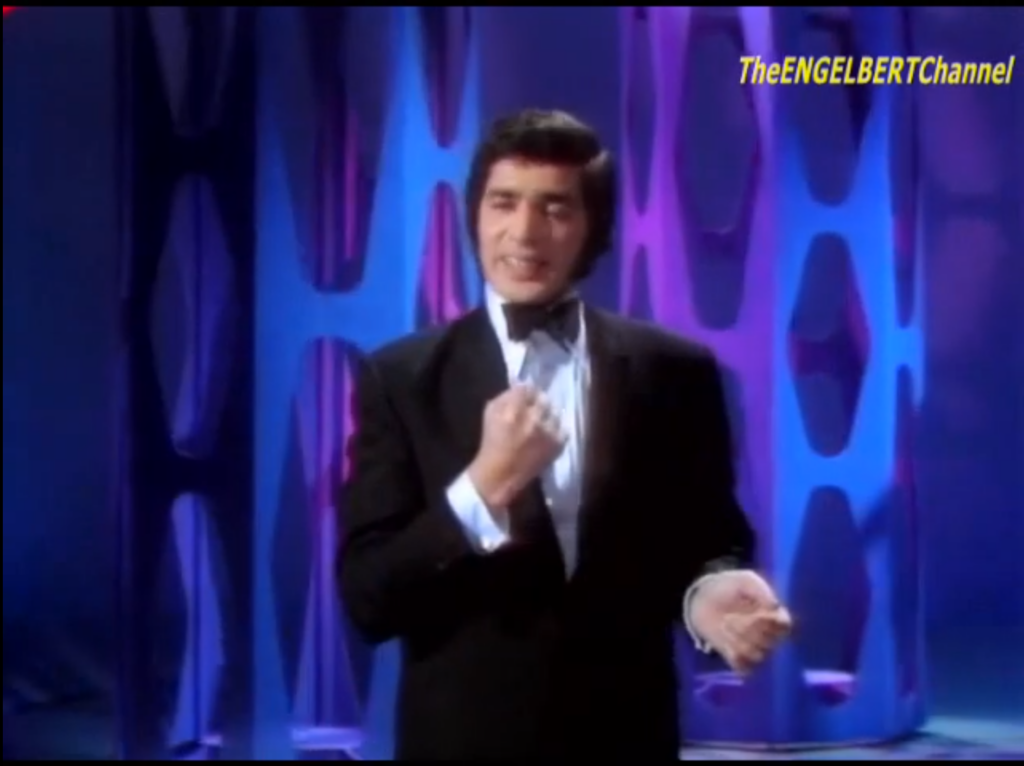
A sunlit portrait of carefree romance, transforming a whimsical bicycle ride through Hampstead into an enduring anthem of young love.
There are melodies that do not simply play; they paint a picture of a lighter, gentler world where the only rush was the breeze against your face. When Engelbert Humperdinck released “Les Bicyclettes de Belsize” as a 7-inch single on Decca Records in 1968, he captured a distinct slice of late-60s bohemian elegance. Later featured on his acclaimed 1969 self-titled studio album Engelbert, the song was an instant international triumph. It soared to number five on the UK Singles Chart during a vibrant 15-week run and climbed swiftly into the top 40 in the United States, peaking at number 31 on the Billboard Hot 100 and an impressive number three on the Billboard Adult Contemporary chart. Across the English Channel, the track sparked an equally legendary French adaptation by Mireille Mathieu, proving that its breezy, European charm knew no borders.
The story behind this enchanting classic is deeply rooted in the cinematic experimentation of the era. The song was originally commissioned as the centerpiece and main theme for a 30-minute British musical short film of the same name. Written and composed by the legendary songwriting powerhouse of Les Reed and Barry Mason—the same brilliant minds behind “The Last Waltz”—the track was created as a affectionate, whimsical nod to the iconic French musical Les Parapluies de Cherbourg (The Umbrellas of Cherbourg). Set in the fashionable, artistic enclave of Belsize Park in northwest London, the film followed a young man cycling through the rolling streets, falling hopelessly in love at first sight. Though the title used a French phrasing, the song was a quintessential British pop production, capturing the vibrant energy of a changing London where romance was found on two wheels under an autumn sky.
What separates Engelbert Humperdinck’s studio version from the film’s original soundtrack is the effortless, majestic warmth he breathes into the composition. Produced by Peter Sullivan, the track opens with a cascade of lush, rolling strings and a distinct, galloping rhythm that perfectly mimics the steady spin of bicycle pedals. Humperdinck approaches the lyric with a joyful, conversational ease, utilizing his rich, velvet baritone to ground what could have been a simple novelty song into a deeply sincere declaration of devotion. He navigates the soaring, operatic heights of the chorus with the easy confidence of a master balladeer at the absolute peak of his powers, making the listener feel the dizzying, breathless exhilaration of newfound passion.
Decades after its debut, listening to “Les Bicyclettes de Belsize” feels like looking through a beautifully preserved kaleidoscope of a golden age. It carries the distinct crispness of a Sunday morning, the soft, nostalgic imagery of wind-blown hair, and the comforting reminder of a time when popular music dared to be unashamedly romantic, melodic, and bright. Through Humperdinck’s timeless delivery, that sunny bicycle ride through Belsize Park never truly ends, offering a beautiful, melodic escape back to the carefree summers of our youth.