
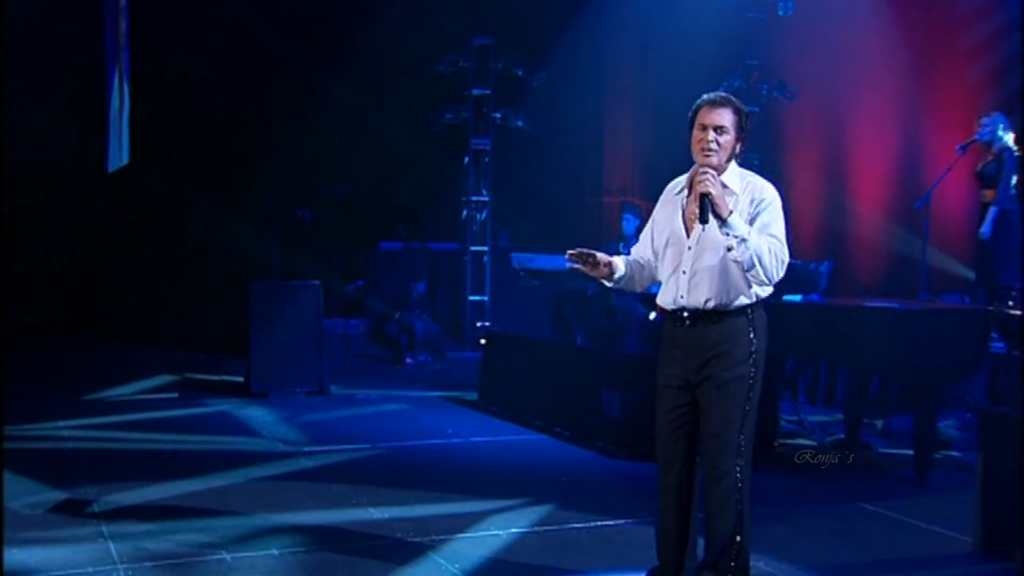
A bittersweet tapestry of romance and resignation, capturing the fragile beauty of a love that ends just as the music fades.
There is a precise, aching moment in our youth that remains forever frozen in time—the sudden realization that a beautiful chapter is drawing to its inevitable close. When Engelbert Humperdinck’s definitive masterpiece, “The Last Waltz,” filled the airwaves in the late summer of 1967, it didn’t merely climb the music charts; it captured the very essence of romantic nostalgia. Released as the title track of his landmark album The Last Waltz under the Parrot label, this sweeping ballad achieved legendary status. It climbed to the absolute pinnacle of the UK Singles Chart, reigning at number one for five spectacular weeks from September to October of that magical year, and went on to sell over 1.17 million copies in the United Kingdom alone. Across the globe, from the sun-drenched shores of Australia to the bustling cities of North America, listeners found themselves utterly captivated by a song that transformed a simple dance into an eternal memory.
The brilliance behind this enduring classic belongs to the legendary songwriting duo of Barry Mason and Les Reed. In an era dominated by the loud, rebellious chords of the counterculture movement, Mason and Reed chose a completely different path. They crafted a traditional, elegant three-quarter time waltz that felt both refreshingly timeless and deeply cinematic. The song tells a poignant story in three distinct acts: the intoxicating magic of a first meeting on the dance floor, the blissful romance that followed, and the gentle, sorrowful acceptance of a love that has run its course. The genius of the composition lies in its emotional duality; the melody is lush and grand, yet the narrative is wrapped in a quiet, reflective solitude that stays with the listener long after the final note has drifted away.
Stepping into this musical landscape was Engelbert Humperdinck—born Arnold George Dorsey—an artist possessing one of the most magnificent, velvety baritone voices in the history of popular music. Often celebrated as one of the finest middle-of-the-road balladeers to ever grace the stage, Humperdinck brought a profound sense of theatrical elegance and deep sincerity to the piece. Supported by Les Reed‘s own sweeping, sophisticated orchestral arrangements, Humperdinck’s voice navigates the emotional highs and lows of the lyrics with effortless grace. He captures the delicate vulnerability of a man holding onto a fleeting moment, elevating a tale of heartbreak into a dignified celebration of what once was. It was this rare ability to convey deep emotional truths that allowed him to sell over 140 million records worldwide, standing alongside giants as an icon of romantic song.
Decades later, listening to “The Last Waltz” feels like opening a beautifully preserved time capsule. It carries the distinct scent of old vinyl, the warmth of amber-lit ballrooms, and the gentle ache of memories we hold closest to our hearts. It reminds us of a time when love was courted with patience, when a dance was a sacred conversation, and when parting ways—though painful—was met with an unforgettable elegance. Through Humperdinck’s timeless performance, the last waltz never truly ends; it simply plays on in the quiet, reflective corners of our minds.