
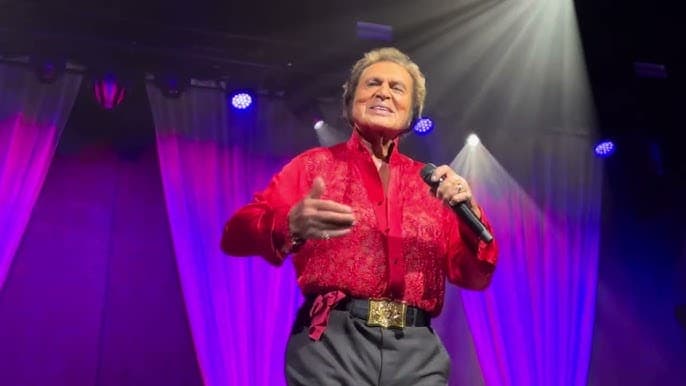
A historic evening at Massey Hall, where an enduring icon of romance turned a chilly autumn night into a grand celebration of a lifetime of song.
On the crisp, cool evening of November 6, 2024, the legendary Allan Slaight Stage at Toronto’s historic Massey Hall became the setting for an extraordinary musical pilgrimage. Engelbert Humperdinck, the undisputed King of Romance, stepped before a packed house as part of his fiercely celebrated global farewell journey, The Last Waltz World Tour. At 88 years young, the master balladeer didn’t just deliver a concert; he conducted a masterclass in nostalgic elegance, proving that true artistry ignores the passage of time. Though he has sold over 140 million records across a staggering seven-decade career, this particular night in Toronto felt uniquely intimate—a gathering of kindred spirits who came to celebrate the enduring soundtrack of their youth. The atmosphere was charged with a heavy, beautiful reverence, as classic architecture met the velvet warmth of a voice that has comforted generations.
The narrative of the evening unfolded like the pages of a beautifully bound photo album. Opening the night with the poignant, conversational notes of Willie Nelson’s “Funny How Time Slips Away,” Humperdinck immediately established a deeply reflective tone. Rather than relying on standard showmanship, he paused early on to offer genuine, heartfelt opening remarks to the Toronto audience, reflecting on the shared decades of love between himself and his fans. The setlist was a meticulously curated tapestry of historic chart-toppers and deeply personal favorites. Fans wept and swayed as he breathed fresh, mature life into “Am I That Easy to Forget”—which originally hit number three on the UK Singles Chart and topped the US Adult Contemporary charts in 1968—and delivered a soaring rendition of “A Man Without Love,” the 1968 masterpiece that spent months dominating airwaves globally.
What made this November 6 performance so profoundly arresting was the remarkable resilience and emotional gravity of Humperdinck’s delivery. Supported by a world-class, tight-knit touring band and sweeping orchestral arrangements that filled the pristine acoustics of Massey Hall, his signature baritone voice carried a weathered, magnificent wisdom. When he transitioned into the iconic rhythms of “Quando, Quando, Quando” and the timeless romantic declaration of “After the Lovin'”—his 1976 smash that earned a Grammy nomination and reached number eight on the Billboard Hot 100—the decades seemed to melt away completely. The crowd was treated to a rare duality: the majestic power of a seasoned showman mixed with the quiet vulnerability of a man who has loved, lost, and found eternal solace in the strings of a melody.
As the evening approached its inevitable twilight, the concert reached a crescendo of pure, tear-stained nostalgia. The room stood as one when the familiar chords of his twin 1967 pillars, “The Last Waltz” and “Release Me,” echoed through the hall, sparking a thunderous, ten-minute standing ovation. Returning to the stage in his iconic, flamboyant dressing gown, Humperdinck closed the night seated humbly on a stool at the very lip of the stage, singing a hushed, devastatingly beautiful encore of “For the Good Times.” To be in attendance that evening was to experience a profound sense of closure and gratitude. It was a gentle reminder of a golden era of musical sincerity—an unforgettable night where the last waltz played on, leaving an indelible glow in the hearts of all who were blessed to witness it.