
When Emotion Meets Country Soul: The Enduring Power of a Classic Hit
The performance of I See The Want To In Your Eyes by Conway Twitty stands as a defining moment in classic country music, capturing both the emotional subtlety of storytelling and the commanding presence of one of the genre’s most iconic voices. First released in July 1974, the song quickly rose to prominence, becoming Twitty’s 11th number one hit on the country charts and remaining there for two weeks while charting for a total of thirteen weeks.
Written by Wayne Carson, the song explores a delicate and emotionally charged narrative. It tells the story of a man confronting a former lover who is now committed to someone else, yet whose feelings appear unresolved. This tension between loyalty and lingering desire forms the emotional core of the piece, giving it a depth that resonated strongly with audiences at the time and continues to do so today.
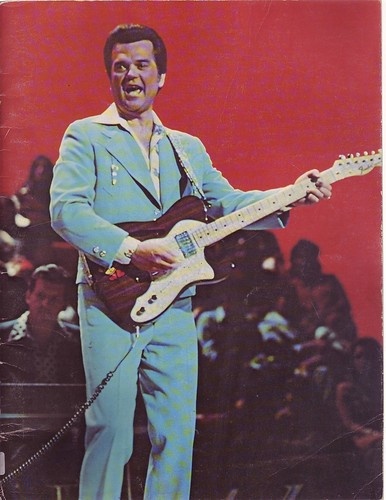
What elevates the performance beyond the lyrics is Twitty’s remarkable delivery. Known for his smooth baritone and expressive phrasing, he brings a sense of realism to the story that feels both intimate and universal. In televised performances from the mid 1970s, Twitty often stood alone on stage, relying solely on his voice and subtle gestures to connect with the audience. This minimalist approach proved highly effective, drawing listeners into the narrative and allowing the emotional nuance of the song to shine.
The song’s success also reflects Twitty’s instinct for recognizing powerful material. Although it was originally recorded by Gary Stewart, it was Twitty’s interpretation that transformed it into a mainstream country hit. His version not only achieved commercial success but also became one of his signature songs, reinforcing his status as a leading figure in country music during the 1970s.
Decades later, I See The Want To In Your Eyes remains a compelling example of classic country storytelling. Its themes of temptation, restraint, and emotional conflict continue to resonate with new generations of listeners. More importantly, it stands as a testament to Conway Twitty’s enduring artistry, reminding audiences why his voice and vision helped shape the golden era of country music.
 Timeless Melodies