
A Wistful Waltz with Danger: The Timeless Allure of a Forbidden Heart, Captured in a Calypso Beat.
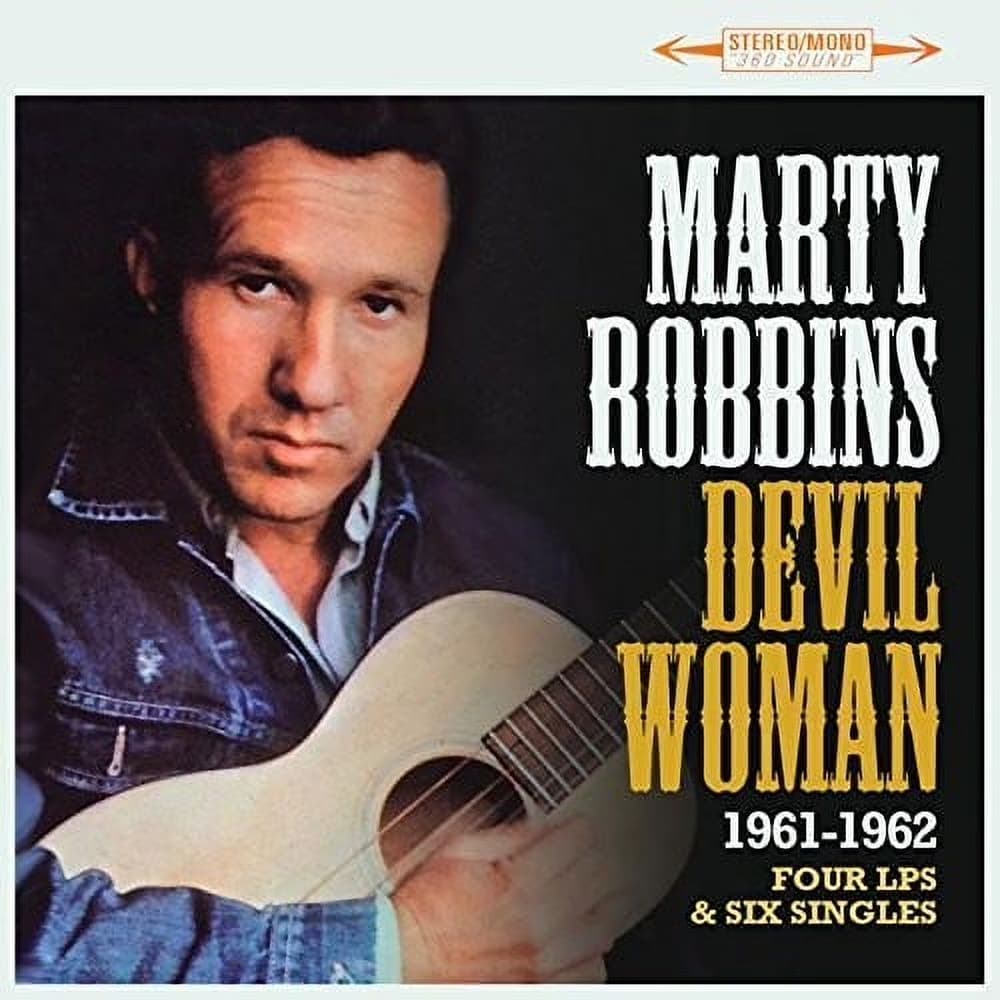
There are certain songs that, the moment the first note drifts from the speaker, don’t just fill a room they fill a lifetime. They conjure the scent of old wood, the feel of a worn dance floor, and the memory of decisions made under a moon that seemed too bright and knowing. Marty Robbins’ 1962 masterpiece, “Devil Woman,” is precisely one of those recordings. It’s a rare and captivating blend of the Nashville Sound’s polished storytelling and a surprisingly exotic, almost lilting calypso rhythm, a stylistic flourish that was so characteristic of Robbins’ immense, border-crossing talent. This wasn’t just a country hit; it was a global phenomenon, an intriguing detour from the gunfighter ballads that made him a legend, yet deeply rooted in the universal theme of perilous, intoxicating love.
Released in June 1962, as the title track and lead single from the album of the same name, “Devil Woman” rocketed up the charts, proving that Marty Robbins could explore any genre, from Western to Hawaiian to pop, and still strike a chord deep in the American psyche. The song became his seventh single to claim the coveted Number 1 spot on the Billboard Hot Country Songs chart, where it reigned for a formidable eight consecutive weeks. But its true significance lies in its crossover success. It soared to Number 16 on the prestigious Billboard Hot 100 an exceptional achievement for a country artist at the time and, perhaps more remarkably, peaked at Number 5 on the UK Singles Chart, making it Robbins’ most successful single overseas. This dual triumph on both the Country and Pop charts underscores the song’s broad, undeniable appeal.
The magic of “Devil Woman” isn’t just in the numbers; it’s in the atmosphere. The song weaves a haunting, cautionary tale of a man completely ensnared by a bewitching woman. This is no mere breakup song; it is an epic of emotional seduction, using the vernacular of the supernatural the “voodoo” and the “evil spell”—as a powerful metaphor for the kind of irrational, irresistible passion that leaves a man feeling helpless, watching his life unravel while unable to break free.
The story behind the song is often simply credited to Marty Robbins himself as the writer, but the feeling he poured into it speaks volumes about the human condition. Picture the early 1960s: a time of social change, but also a deep reverence for traditional narrative and moral clarity. “Devil Woman” taps into a primordial fear—the destructive power of a dangerous woman but dresses it up in a deceptively jaunty, almost breezy arrangement. That juxtaposition is key: the light, swaying, almost tropical musical setting makes the dark subject matter all the more compelling and even dare we say it seductive. The listener is drawn in, much like the protagonist, by the irresistible beat, even as the lyrics warn of ruin. The use of the calypso rhythm, a nod to his affinity for island music, lends the track an air of exotic fatalism, suggesting that this spell was cast far from the familiar, safe streets of home.
Listen closely to Robbins’ delivery. His voice, always rich and expressive, is tinged with a blend of regret, fascination, and resignation. He doesn’t sound angry; he sounds utterly, completely lost. That’s the feeling that resonates so deeply with those who have lived long enough to know what it is like to be powerless against a passion that defied logic. We’ve all, at one time or another, felt that irresistible pull toward something we knew was wrong, yet seemed impossibly right. This song grants that feeling a soundtrack.
“Devil Woman” is an artifact from an era when great country music transcended genre lines, proving that a compelling narrative and a signature voice could capture the imagination of millions, regardless of whether they listened to pop, rock, or purely country radio. It’s a masterclass in musical versatility and emotional depth, a nostalgic reminder of the power of a single to tell a fully realized story. Put the record on, close your eyes, and you can almost feel the warm breeze of that hypnotic rhythm and the dark shadow of that captivating, terrible beauty. It’s a moment frozen in time, and its spell, like the woman it describes, has never truly broken.
 Oldies Songs