
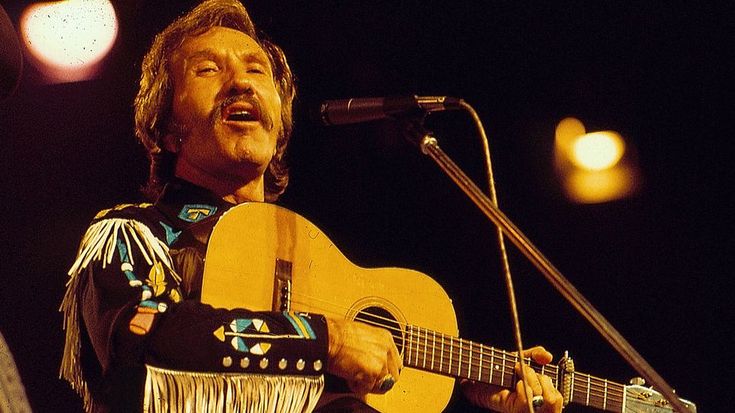
A mournful farewell on dusty Texas streets “The Streets of Laredo” by Marty Robbins captures the fragility of life and the haunting loneliness of the frontier
“The Streets of Laredo” is a timeless cowboy ballad that whispers of regret, mortality and the lost innocence of youth a song that turns the wide plains and dusty trails of the West into a somber final walk down memory lane.
Originally a traditional folk ballad descended from the 18th-century British/Irish song sometimes known as The Unfortunate Rake the melody and core narrative of “The Streets of Laredo” evolved over time into a classic American cowboy lament (also known as “The Cowboy’s Lament” or “The Dying Cowboy”). When Marty Robbins recorded his version on July 18, 1960, included in the album More Gunfighter Ballads and Trail Songs, he breathed fresh life into that old sorrow, giving it a voice that would reach far beyond campfires and saloons.
Though not released as a charting single by itself, Robbins’ rendition of “The Streets of Laredo” quickly became one of the most beloved and haunting cowboy songs in Western music. Its album became a significant marker of his career and helped cement his legacy as a great storyteller of the American frontier.
Robbins’ performance delivers the tragic narrative with measured calm: he walks the listener through the story of a young cowboy who, mortally wounded and near death, recounts his life to a passing stranger. As the cowboy lies “wrapped all in white linen, as cold as the clay,” the listener hears his confession: once proud and free-riding under wide western skies, now fallen into drinking and gambling, and struck down by a bullet to the heart.
The song’s arrangement in 3/4 time, key of F major, with a slow tempo (about 101 bpm) lends it the stately serenity of a funeral march. The sparse instrumentation, the echo of strings or gentle rhythm, and Robbins’ warm, plaintive voice combine to make every chord, every line, feel like wind sweeping across dusty plains or a slow dusk settling over an empty horizon. In listening, one almost sees the wide Texas sky, the dry earth, the lonely crossroads where hopes and missteps meet.
But “The Streets of Laredo” is more than just an old cowboy story: it’s a meditation on life’s fragility, on choices made and the regret that sometimes follows. In the dying cowboy’s final words requesting drumbeats slow, death march played lowly, a simple burial in a green valley there is vulnerability, resignation, and a kind of sorrowful dignity. It reminds the listener that the freedom of the West, romantic though it was, came with harsh consequences that the cowboy’s life, for all its romance, could end in solitude and silence.
For someone who remembers when radio and vinyl were the pulse of nights at home, Robbins’ “The Streets of Laredo” often rekindles memories: of old records spinning in dim living rooms, of rainy evenings when voices rose softly through static, of quiet reflections on a world that once felt brimming with both danger and possibility. It evokes a time when songs were stories not just melodies, but tales of human frailty, honor, loss, and longing.
Despite decades that have passed since its release, the song remains haunting and relevant. It has influenced literature and film for example, the classic novel (and later TV adaptation) Streets of Laredo by Larry McMurtry took its name from the song, channeling its themes of mortality and the fading frontier. Its melody and story also survive in countless renditions by other artists, each one carrying forward that mix of sorrow and beauty.
In the end, Marty Robbins’ “The Streets of Laredo” isn’t just a song it’s a memory etched in music, a solitary cowboy’s farewell whispered across time, a poignant reminder that every life, no matter how wild, ultimately seeks closure, dignity, and remembrance. It remains a haunting, beautiful testament to the human condition to regret, to finality, and above all, to the bittersweet dignity of a life lived on one’s own terms, even if it ends in sorrow.
 Oldies Songs