
A Gentle Toast to Simpler Times, Where Music, Memory, and Easy Laughter Met in One Glass
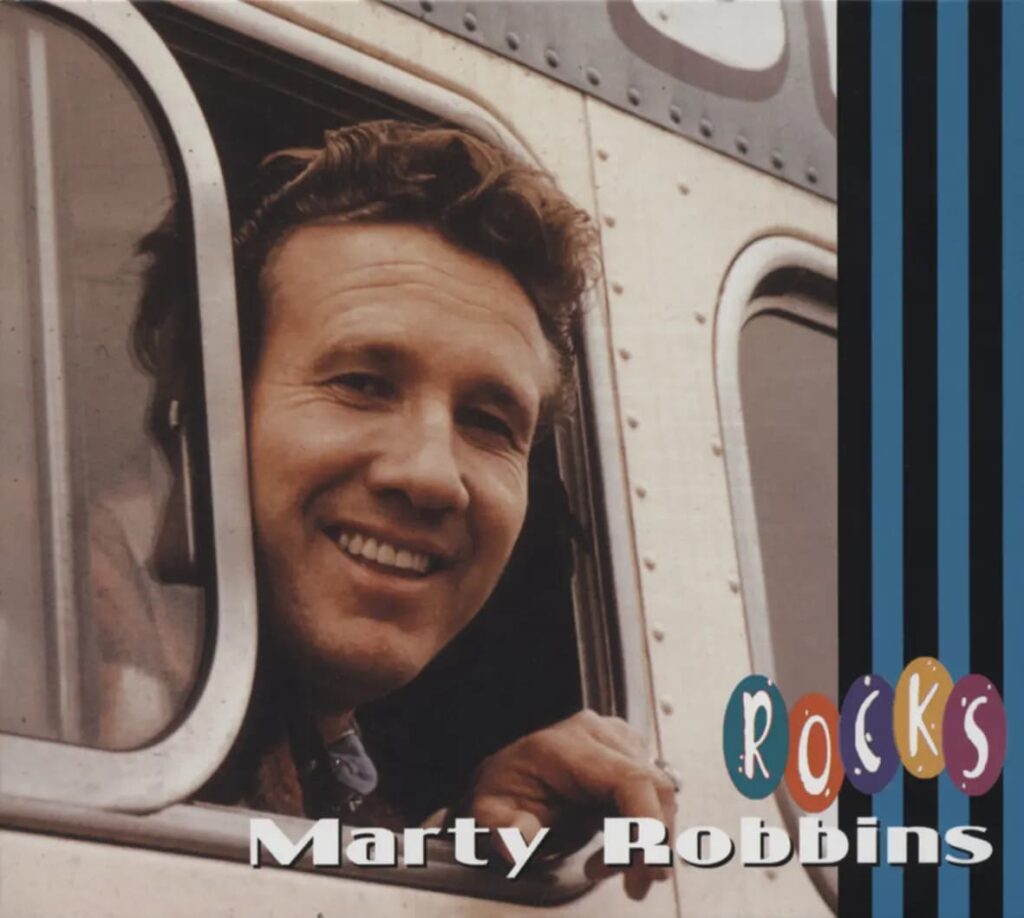
When we speak of Marty Robbins, we often think first of sweeping Western ballads, dramatic tales of outlaws, or aching songs of love and regret. Yet hidden among those grand narratives is a quieter, more intimate moment: “Tennessee Toddy.” This song does not arrive with thunder or tragedy. Instead, it settles in like an old friend sliding onto a barstool beside you, offering warmth rather than sorrow, companionship rather than confession.
Released in the mid-1950s during Marty Robbins’ early years with Columbia Records, “Tennessee Toddy” did not make a major impact on the national charts at the time of its release. It did not climb high on the Billboard Country & Western rankings, nor was it promoted as a flagship single. Yet its importance lies elsewhere. Like many understated recordings from that era, its value has grown with time, appreciated most by listeners who understand that not all meaningful music announces itself loudly.
At this point in his career, Marty Robbins was still shaping his artistic identity. He had not yet recorded monumental works like “El Paso”, nor fully embraced the epic storytelling that would later define his legacy. “Tennessee Toddy” belongs to a period when country music was still deeply connected to everyday life songs meant to be lived with, not analyzed under bright lights. The recording reflects a Nashville that was less polished, more conversational, where singers sounded like people you might actually know.
Musically, “Tennessee Toddy” is relaxed and unhurried. The arrangement is modest: gentle rhythm, clean guitar lines, and a vocal delivery that feels conversational rather than performative. Robbins sings with an easy confidence, never forcing emotion, never dramatizing the moment. His voice carries a quiet smile, suggesting enjoyment without excess. This restraint is precisely what gives the song its enduring charm.
The song’s story is simple, almost deceptively so. A “Tennessee Toddy” is not merely a drink; it becomes a symbol of comfort, familiarity, and human connection. In the post-war years, when the world was adjusting to new realities and old routines were cherished more than ever, such imagery resonated deeply. The song captures an evening where worries are temporarily set aside, where conversation flows easily, and where music fills the spaces that words cannot.
There is no heartbreak here, no moral lesson delivered with a heavy hand. Instead, “Tennessee Toddy” celebrates the small rituals that make life bearable and meaningful. It reminds us that joy does not always come from great events, but from modest moments repeated over time. A familiar place. A familiar sound. A familiar voice on the radio.
In the broader context of Marty Robbins’ catalog, this song reveals an often-overlooked dimension of his artistry. Before the gunslingers, before the tragic lovers, there was a singer who understood atmosphere, who knew how to make a listener feel at ease. “Tennessee Toddy” shows Robbins as a companion rather than a narrator, someone sharing the moment rather than standing apart from it.
For listeners who lived through the golden age of country music, this song can feel like stepping back into a quieter room of memory. It recalls evenings when the radio was not background noise but a centerpiece, when voices like Marty Robbins offered reassurance simply by being present. In that sense, “Tennessee Toddy” is less about the drink and more about the feeling it represents a pause in time, a gentle exhale, a reminder that music once walked hand in hand with everyday life.
Today, long after the charts have forgotten it, “Tennessee Toddy” remains a subtle but meaningful part of Marty Robbins’ legacy. It stands as proof that even the smallest songs can carry the deepest sense of belonging, especially for those who still listen not just with their ears, but with memory and heart.
 Oldies Songs