
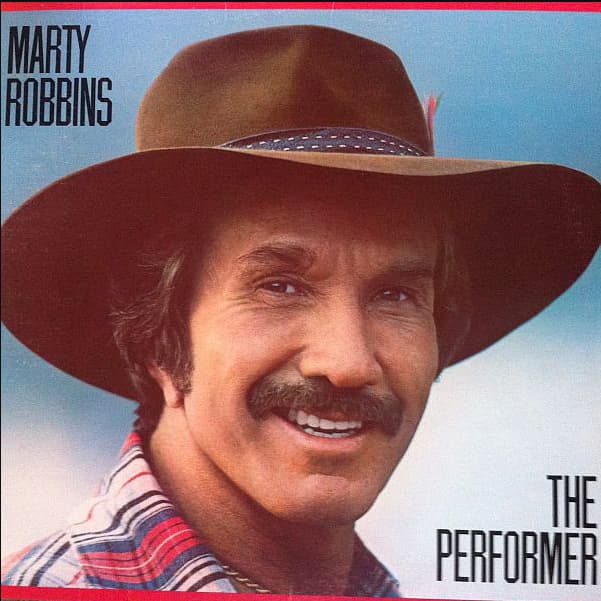
A Quiet Flame of Devotion, Suspended Between Dream and Desire
When Marty Robbins released “Touch Me with Magic” in 1967 on his album Tonight Carmen, it arrived at a time when country music was stretching its borders toward the lush sophistication of pop. Though not one of Robbins’ biggest chart-toppers—its single release did not ascend to the heights of his earlier triumphs like “El Paso” or “Don’t Worry”—it stands as one of those tender, underrated jewels that reveal the quiet mastery of an artist who could inhabit vulnerability as convincingly as heroism.
The song’s inclusion on Tonight Carmen, an album steeped in romance and Latin-inflected melancholy, positioned it as a moment of introspective calm amid the drama—an intimate confession from a man whose voice had carried both gunfighter ballads and torch songs with equal conviction.
At its heart, “Touch Me with Magic” is a song about longing transformed into reverence. The lyric speaks not simply of physical closeness but of the mystical communion that occurs when love transcends the tangible. Robbins’ phrasing—always deliberate, always rich with ache—turns the melody into something suspended between prayer and memory. The arrangement is deceptively simple: gentle guitar lines, subdued rhythm, and an orchestral softness that reflects Nashville’s late-’60s embrace of smoother textures. Yet beneath that polish lies something profoundly human—the tremor of desire laced with restraint, a yearning that feels both eternal and momentary.
Robbins had long been drawn to storytelling through emotional contrast: heroism shadowed by guilt, love entwined with loss. In this piece, he distills those contradictions into pure atmosphere. His voice doesn’t just carry melody—it inhabits silence. Each pause feels like an intake of breath before surrender; each note glows with the fragile light of memory recalled too late. Where his western ballads painted vast horizons, “Touch Me with Magic” narrows the frame to a single moment between two souls—a soft plea for connection before time dissolves it away.
The song also reflects Robbins’ instinct for bridging genres without losing authenticity. By 1967, he was no longer merely a country star but an interpreter of emotion who moved gracefully between honky-tonk sincerity and pop sophistication. The production’s smooth contours suggest the influence of Nashville’s countrypolitan era, yet Robbins’ delivery resists artifice. He sings as though aware that magic—whether romantic or spiritual—is always fleeting, always slipping through mortal hands.
In retrospect, “Touch Me with Magic” feels like one of Robbins’ most intimate statements: a reminder that behind every grand narrative he ever sang lay a simple truth—that love’s most powerful moments are often whispered rather than declared.
 Timeless Melodies
  Oldies Songs