
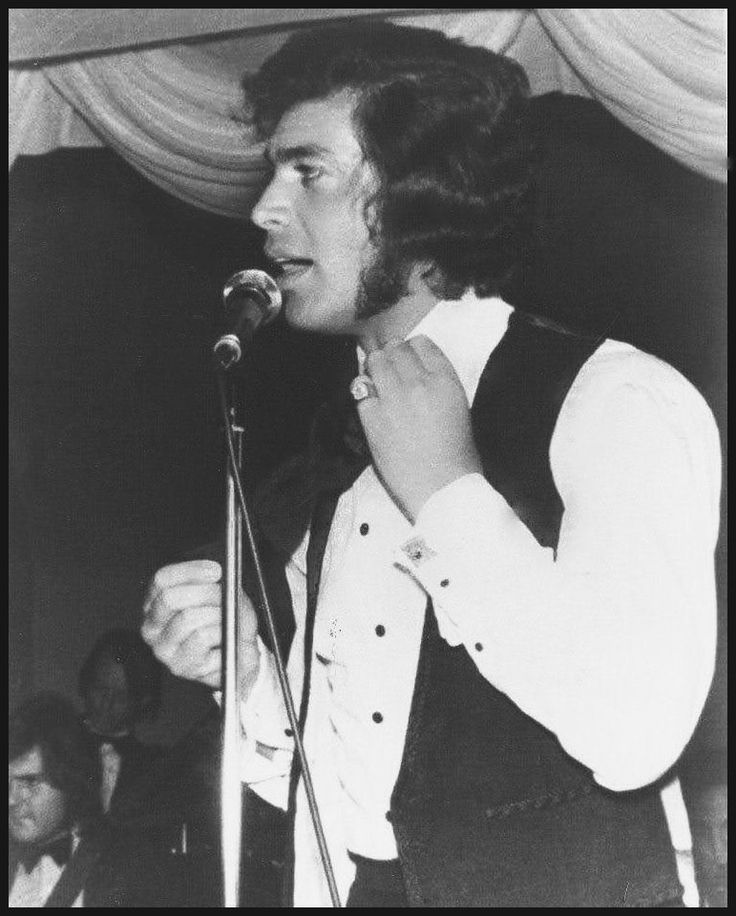
Where Melodies Keep the Heart Awake: A Legendary Voice Finds a Deeper, Quieter Truth in the Midst of Forgetting
There is a distinct, bittersweet weight to the passage of time, an unspoken understanding that the vibrant soundtracks of our youth eventually mellow into the quiet reflective pieces of our later years. In the spring of 1967, a dashing young crooner named Engelbert Humperdinck captured the world’s collective heartache with “Release Me”. The song was an absolute juggernaut, famously ascending to No. 1 on the UK Singles Chart—where it held its ground for six weeks—and later climbing to No. 4 on the US Billboard Hot 100. For decades, that soaring ballad of detachment was the definitive showcase of his magnificent baritone. Yet, life has a poignant way of rewriting the meaning of our most cherished melodies. Decades after pleading for release on the world stage, the man born Arnold George Dorsey found himself holding onto love with a fierce, quiet desperation that no studio recording could ever fully capture.
This profound transformation of the heart was laid bare during a remarkably intimate interview with BBC London News. The conversation focused on a deeply personal chapter of his life, framed around his album The Man I Want to Be. This body of work was not merely another collection of songs; it was a vulnerable, melodic love letter dedicated entirely to his wife, Patricia Healey, who was navigating the long, isolating twilight of Alzheimer’s disease. To witness the legendary singer speak of his companion of over fifty years was to see past the glittering veneer of show business. Here was a man confronting the most painful paradox of human existence: watching the person who shared your entire history slowly lose the map to her own memories.
The true essence of this album, and the songs within it, lies in the sacred boundary where language fails but music endures. For those who understand the profound sorrow of watching a loved one slip away into the mist of cognitive decline, Engelbert’s later artistic expression offers a deeply comforting truth. While names, dates, and everyday words may slowly dissolve, the pathways of melody and emotion in the human brain remain remarkably resilient. When he sang to Patricia in the quiet of their home, the music acted as a bridge across the silence, momentarily calling her spirit back to the surface. It proved that while the mind may falter, the emotional bond forged over a lifetime remains completely unbroken.
Reflecting upon his vast legacy—from the definitive triumph of his early Release Me era to these tender, late-career recordings—one realizes that a great voice does not diminish with age; it simply gains a more resonant soul. This chapter of his life imbues his entire musical catalog with a beautiful, haunting layer of maturity. It serves as a powerful reminder that the songs we carried in our hearts during the bright days of our youth are meant to sustain us when the evening shadows lengthen. True devotion does not fade when the stage lights dim; it simply learns to sing a softer, infinitely more profound lullaby in the quiet corners of home.