
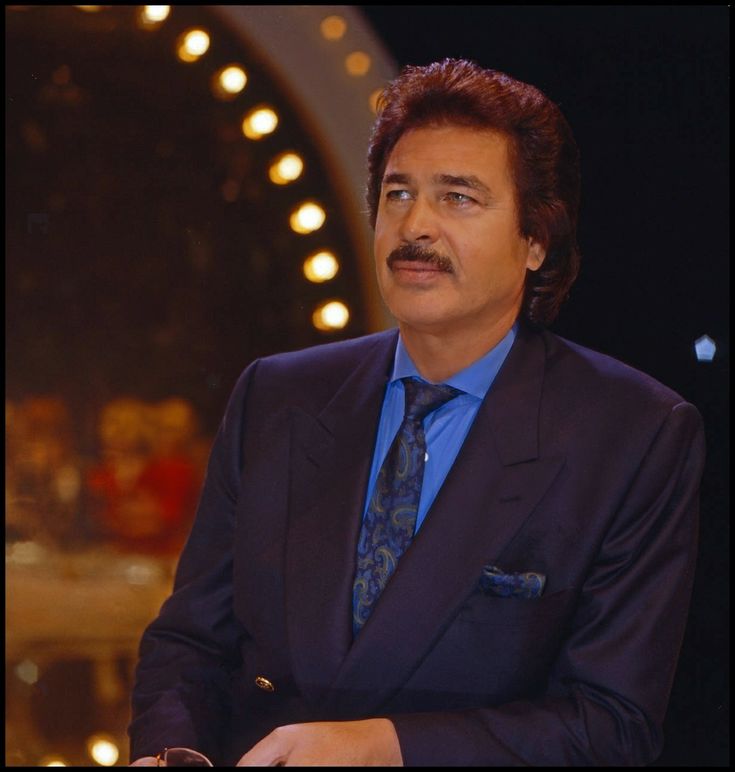
The Master of Mimicry: Engelbert Humperdinck’s Secret Comedy Roots and the Ultimate Tribute from Jerry Lewis
When tracing the majestic, multi-decade trajectory of popular music’s premier balladeers, the public mind naturally conjures images of an international icon wrapped in the sweeping, high-fidelity romance of traditional orchestral pop. Yet, beneath the polished, gentlemanly poise that defined the golden era of mid-century entertainment lies a fascinating, deeply instructive narrative of artistic survival, brilliant versatility, and an early mastery of showmanship. In a warmhearted and highly reflective appearance on Nostalgia Tonight with Joe Sibilia, the legendary British vocal vanguard Engelbert Humperdinck looked back upon his six-decade career to share an extraordinary, hidden milestone that he treasures as one of the ultimate compliments of his life: the moment American comedy titan Jerry Lewis personally declared that Humperdinck performed the finest, most accurate physical impression of him he had ever witnessed.
The deep historical context surrounding this newly shared memory highlights a golden era when a true, enduring superstar had to master every facet of the stage to captivate an audience. Long before his multi-platinum 1967 triumphs like “Release Me” and “The Last Waltz” transformed him into a global chart vanguard, Engelbert was a young boy tuning his radio late at night in England, completely captivated by the brilliant timing of The Dean Martin and Jerry Lewis Show. Before he achieved the staggering historical milestone of over 64 gold and 35 platinum albums, Engelbert spent his early years grinding through the rugged, highly competitive British variety club circuit. Lacking the commercial leverage of a hit record, the young artist realized he needed more than a beautiful baritone voice to survive—he needed to entertain. He transformed his act by studying the elastic physical comedy and frantic vocal timing of American icons, weaving flawless impressions of Jerry Lewis, Dean Martin, and Sammy Davis Jr. into his live nightclub routines to keep audiences completely spellbound.
The behind-the-scenes evolution of this performance persona reveals a captivating backstory that directly links Engelbert’s iconic identity to his deep admiration for Jerry Lewis. During a highly instructive 2024 retrospective interview conducted while touring South Africa, the legendary singer revealed that his very first professional stage moniker—Gerry Dorsey—was actually a direct, heartfelt tribute to Jerry Lewis himself. However, operating under the name Gerry Dorsey failed to make an impression on mainstream record labels. It was only when his visionary manager, Gordon Mills, took a song Engelbert had penned titled “Stay” and audaciously changed the artist’s credit to the grand, theatrical name of nineteenth-century German opera composer Engelbert Humperdinck that Decca Records executives signed him on the spot. The name change was so complete that even his immediate family entirely abandoned his birth name, Arnold George Dorsey, to protect the magnificent new theatrical persona that would soon conquer the international charts.
When the vocal titan finally met his childhood hero face-to-face years later, the encounter resulted in a permanent validation of his craftsmanship. Jerry Lewis—who alongside Dean Martin dominated the global box office through cinematic masterpieces like The Nutty Professor and The Bellboy before passing away in 2017 at the age of 91—was notoriously discerning regarding comedy mechanics. Yet, upon witnessing the British singer’s routine, Lewis looked at him and said, “You know, Eng, you do the best me I’ve ever heard in my life.” For a serious student of mid-century phrasing and physical presence, hearing those words from the master of American slapstick was an absolute revelation, confirming that Humperdinck possessed a pocket-perfect understanding of timing and human connection that extended far beyond traditional vocal mechanics.
To look upon the contemporary path of Engelbert Humperdinck today is to witness a profound human portrait of endurance, gratitude, and absolute technical discipline. Operating in a modern entertainment landscape often dominated by sterile digital cosmetics and artificial synthetic enhancements, this legendary vanguard continues to step before international audiences, treating the live stage as a sacred bridge between human souls. Hearing him reflect on his early struggles with such conversational warmth and gentlemanly poise reminds the sophisticated viewer of a time when absolute sincerity, versatility, and pure creative genius were the ultimate criteria for artistic excellence. This magnificent memory leaves the global listening community with a beautiful,