
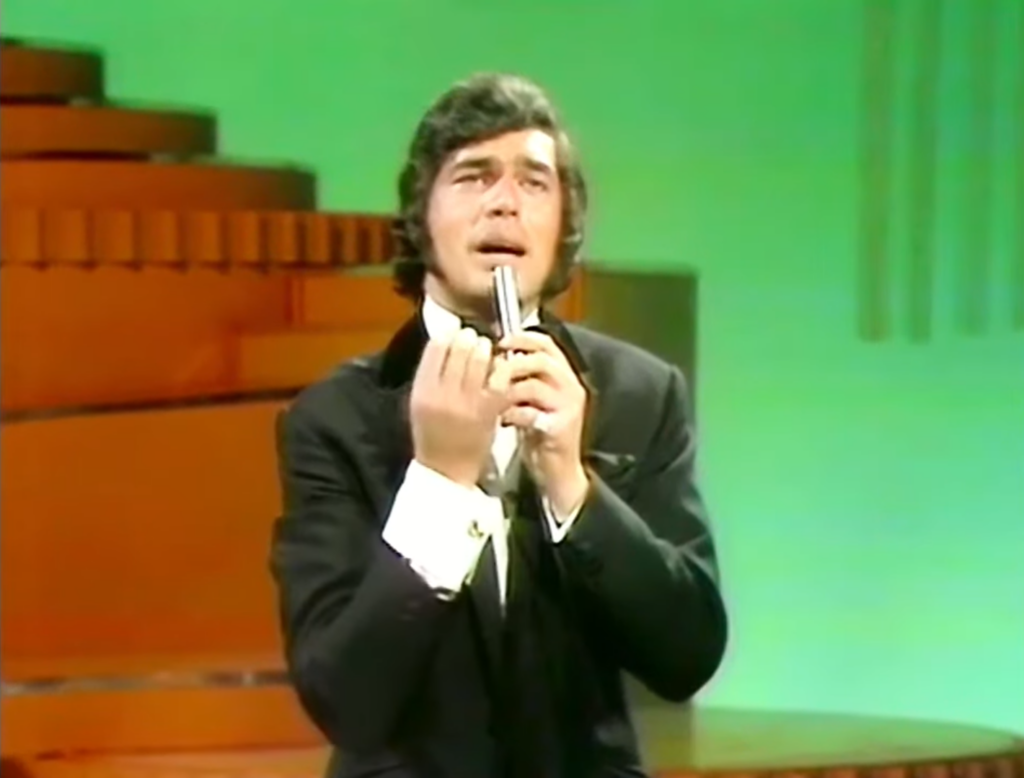
The Symphony of Lost Romance: Engelbert Humperdinck and the High-Fidelity Drama of “The Way It Used to Be” (1969)
When the golden age of traditional popular music demanded an anthem that could perfectly capture the grand, cinematic weight of romantic heartbreak, it required a vocalist of immense theatrical scale and deep emotional gravity. In early 1969, the incomparable Engelbert Humperdinck entered the studio to record his definitive masterpiece, “The Way It Used to Be.” Originally adapted from the melancholic Italian gem “Melodia” by Franco Cassano and Corrado Conti, with English lyrics masterfully penned by Roger Cook and Roger Greenaway, the track became an instant international smash. Sailing effortlessly into the top three of the UK Singles Chart and dominating easy listening airwaves across the United States, this premier gentleman of song transformed a tale of lost love into a soaring, multi-platinum monument of vocal showmanship that solidified his enduring kingdom in late-twentieth-century popular culture.
The meticulous audio architecture defining this historic 1969 tracking represents a flawless, handcrafted pinnacle of mid-century stereo production. Spearheaded by world-class British arrangers and engineers, the stereophonic mix was deliberately designed to maximize the spatial depth of the era’s emerging high-fidelity home audio systems. The tracking opens with an atmosphere of quiet, late-night reverence, placing a delicate acoustic guitar pattern in one channel while a crisp, slow-rolling percussion rhythm and a round, thumping bassline form a pristine analog cushion in the center. As the emotional tension of the narrative builds, the stereo field masterfully expands, layering sweeping string cascades that swell across the left and right frequencies while rich brass fanfares explode from the background. This brilliant sonic framing ensures that the massive instrumentation never crowds the room ambiance, allowing every orchestral texture to breathe with absolute clarity.
For the sophisticated music enthusiast who treasures the deep historical nuances of classic vocal craftsmanship and dramatic phrasing, Humperdinck’s physical execution on this archival master remains an absolute revelation. Navigating an up-tempo, operatic ballad of this immense melodic scale requires exceptional breath control, absolute pitch precision, and an innate, pocket-perfect sense of timing—demands that this legendary pioneer met with astonishing, commanding ease. He approaches the studio microphones with his signature conversational poise, letting his rich, velvet baritone voice wrap warmheartedly around the sorrowful verses like a seasoned actor recounting a firsthand tragedy. When the melody scales the heights of the thunderous chorus, Engelbert effortlessly unleashes the full, crystalline power of his upper vocal register, projecting a striking balance of mature masculinity and controlled, fragile vulnerability that cuts straight through the listener’s emotional defenses.
To turn the volume all the way up and re-engage with Engelbert Humperdinck’s magnificent 1969 stereo delivery of “The Way It Used to Be” today is to be swept away by a powerful, deeply comforting wave of sweet nostalgia and profound gratitude. It transports the educated listener back to a highly sophisticated era of entertainment history—a time when an iconic pioneer could completely captivate a multi-generational global audience through the sheer strength of absolute sincerity, flawless studio craftsmanship, and pure vocal genius. This definitive recording remains a triumphant chapter in popular culture, serving as a permanent, highly reflective reminder that real creative genius requires no modern digital pitch cosmetics or synthetic enhancements to achieve perfection. It leaves us with a timeless reminder that when a beautiful melody is delivered straight from the passionate soul of a true legend, its magic possesses an immortal strength that will continue to cross generations, warm our souls, and command our deepest admiration forever.